Category: Technology
-

Containers are supposed to make workloads easier to isolate, deploy, and manage, but the infrastructure controlling those containers can create a far more direct path into the host. One of the clearest examples is the Docker Remote API, which gives administrators and automation systems programmatic control over the Docker daemon. If that interface is exposed…
-

Files have always been a security boundary. Applications have spent decades defending against malicious documents, path traversal, parser flaws, archive bombs, embedded scripts, unsafe deserialization, and executable content disguised as ordinary attachments. AI agents do not replace those risks. They introduce a new one by allowing the contents of a file to influence what the…
-

Enterprise AI rarely operates inside a single application boundary. A user may submit a prompt through one interface, an orchestration layer may add system instructions, a retrieval service may query internal documents, an embedding model may convert those documents into vectors, and a separate model provider may process the assembled context. From there, observability tools…
-

Microsoft released its 2026 Digital Defense Report on October 1, offering a broad look at how cyber threats have changed as artificial intelligence becomes integrated into both attacker workflows and enterprise systems. The report paints a security environment moving faster and becoming more interconnected, but one where many of the underlying weaknesses remain familiar. Attackers…
-
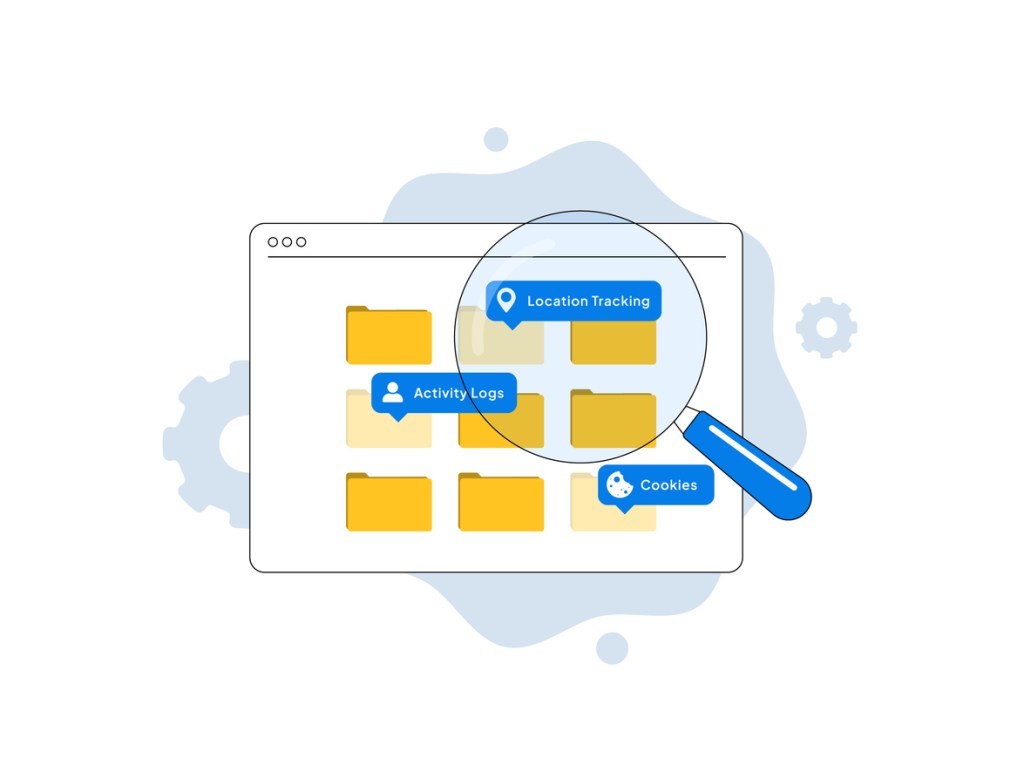
Metadata is easy to dismiss as background information. A document has an author, creation date, file path, revision history, and perhaps a few tags. A photograph may contain location data and device information. A cloud instance has an identifier, region, role, and networking details. A Kubernetes object carries labels and annotations that help administrators organize…
-
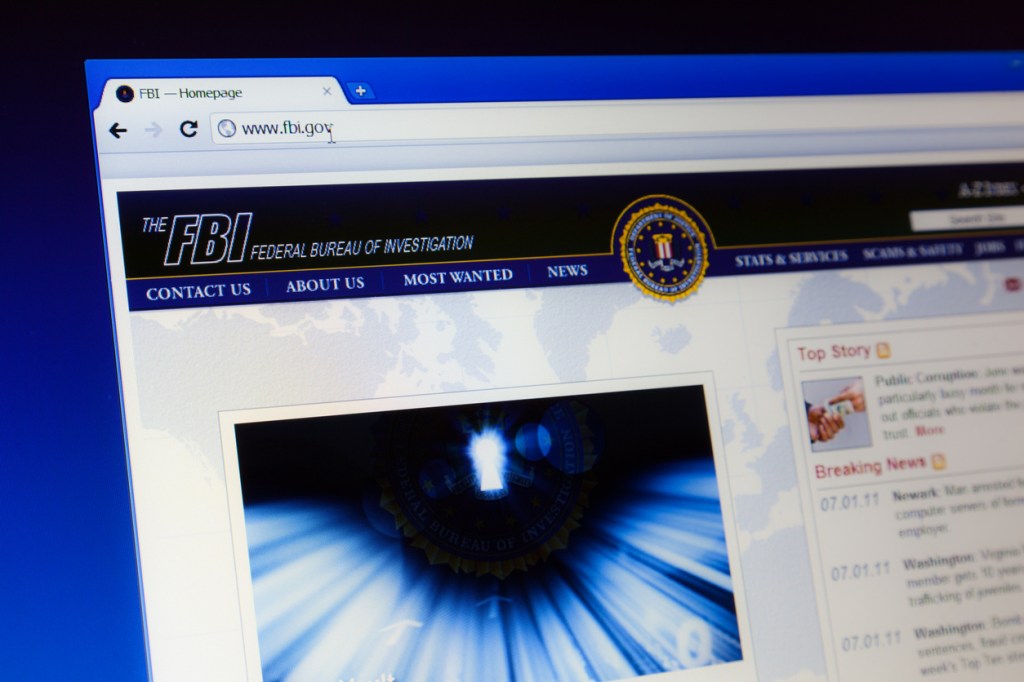
The FBI is investigating claims that the ShinyHunters cybercrime group compromised FBIJobs.gov and obtained a large collection of personnel and applicant information, including records that appear to identify employees working in sensitive intelligence, surveillance, and counterintelligence roles. ShinyHunters says it entered through a previously unknown Oracle PeopleSoft vulnerability and ultimately stole between two and three…
-

AI coding tools are changing far more than how quickly developers can produce code. They are changing the economics of the pull request itself. A pull request once represented a meaningful amount of authoring effort: a developer had to inspect the repository, make a set of changes, run tests, write a description, and submit the…
-

A Software Bill of Materials can answer one of the hardest questions in software security: what is actually inside this product? That answer has real operational value. When a new vulnerability appears in a widely used library, an SBOM can help an organization determine which applications contain the affected component without manually inspecting every product.…
-
Ransomware used to create a fairly direct technical problem: attackers encrypted production data, defenders restored it, and the organization tried to resume operations. Modern ransomware crews have spent years attacking that equation. Rather than leaving recovery infrastructure untouched, operators increasingly target backup systems, virtualization platforms, identity services, storage, snapshots, recovery documentation, and the administrative accounts…
-

Vulnerability management has a math problem. In 2024, the CVE Program published 40,077 vulnerability records. In 2025, that figure climbed to 48,244. By the end of the second quarter of 2026, another 35,872 records had already been published, with Q2 alone accounting for 20,709 CVEs compared with 15,163 during Q1. Those figures describe a disclosure…

