Category: Government IT
-

Today’s Topics: Squidbleed Shows Why Old Proxy Code Still Belongs in the Threat Model FortiBleed Shows Why Firewall Credentials Are Now Perimeter Risk How can Netizen help? Squidbleed Shows Why Old Proxy Code Still Belongs in the Threat Model Squidbleed is the kind of vulnerability that looks small in code and much larger in an…
-

Today’s Topics: INTERPOL Warns Cybercrime Is Surging Across Asia-Pacific as Phishing, Ransomware, and AI Scams Scale Up The Gentlemen Ransomware Shows How Former Affiliates Are Building Faster, Leaner RaaS Operations How can Netizen help? INTERPOL Warns Cybercrime Is Surging Across Asia-Pacific as Phishing, Ransomware, and AI Scams Scale Up Cybercrime is rising sharply across Asia…
-

Today’s Topics: Self-Replicating AI Worm Shows Malware Can Reason Its Way Through a Network U.S. Order Pulling Anthropic’s Fable 5 and Mythos 5 Turns AI Cyber Capability Into a National Security Fight How can Netizen help? Self-Replicating AI Worm Shows Malware Can Reason Its Way Through a Network University of Toronto researchers have demonstrated a…
-

Today’s Topics: LLM Agent Used in Post-Exploitation Attack After Marimo Vulnerability Exploit Internet-Exposed Tank Gauges Become a Cyber Risk for U.S. Fuel and Industrial Sites How can Netizen help? LLM Agent Used in Post-Exploitation Attack After Marimo Vulnerability Exploit A threat actor was observed using a large language model agent to conduct post-exploitation activity after…
-

Today’s Topics: GitHub Investigates Internal Repository Breach After Employee Device Compromise Malicious npm Package Steals OpenAI Codex Tokens from Developer Systems How can Netizen help? GitHub Investigates Internal Repository Breach After Employee Device Compromise GitHub is investigating unauthorized access to its internal repositories after the threat actor known as TeamPCP listed what it claimed to…
-
Today’s Topics: Congress Presses Instructure After Canvas Breach MiniPlasma Zero-Day Puts Windows Patch History Back Under Scrutiny How can Netizen help? Congress Presses Instructure After Canvas Breach Congress is pressing Instructure for answers after the company’s Canvas learning management system was disrupted by a cyberattack that exposed user information, interrupted core school functions, and raised…
-

Today’s Topics: Ollama Vulnerabilities Expose Local AI Servers to Memory Leaks and Persistent Code Execution Canvas Breach Update: Instructure Says Core Learning Data Was Not Compromised as Forensic Review Continues How can Netizen help? Ollama Vulnerabilities Expose Local AI Servers to Memory Leaks and Persistent Code Execution A newly disclosed Ollama vulnerability is drawing attention…
-
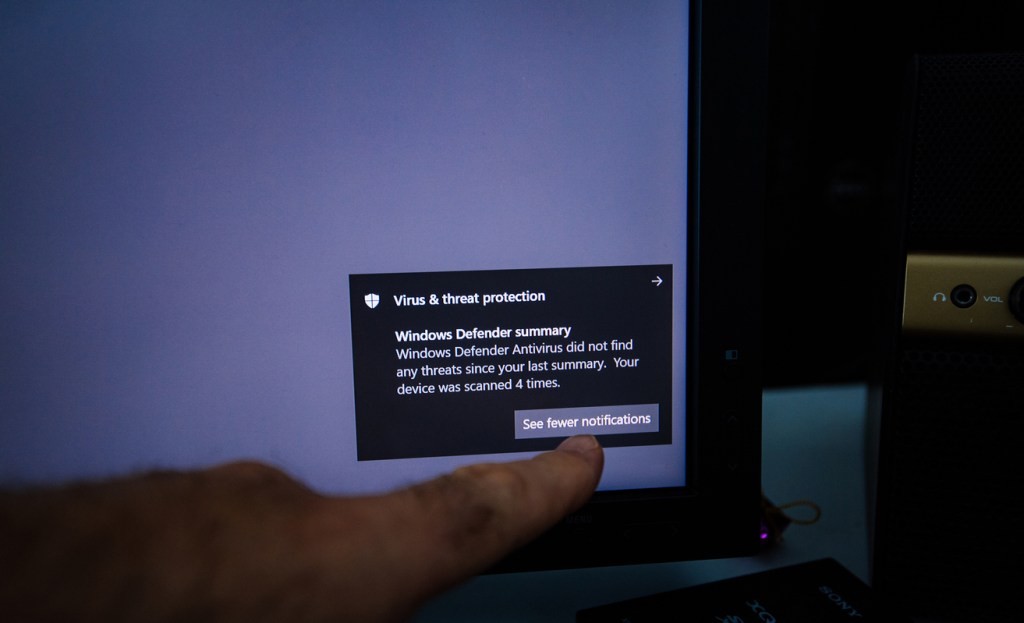
Today’s Topics: Microsoft Defender False Positive Shows How Certificate Trust Incidents Can Create Operational Confusion Vercel Breach Shows How OAuth Abuse and Token Theft Can Turn SaaS Access Into an Internal Security Problem How can Netizen help? Microsoft Defender False Positive Shows How Certificate Trust Incidents Can Create Operational Confusion Microsoft Defender’s recent false positive…
-

If you are preparing for CMMC 2.0 certification, the question is not whether you need a SIEM. The question is whether your logging, alerting, and monitoring architecture can survive a Level 2 assessment tied directly to NIST SP 800-171. CMMC 2.0 does not explicitly mandate “deploy a SIEM.” What it does mandate is far more…
-

Today’s Topics: OpenAI Expands Defensive AI Strategy with GPT-5.4-Cyber Release Mythos Is Accelerating Vulnerability Discovery, but Most Security Teams Are Not Built to Fix What It Finds How can Netizen help? OpenAI Expands Defensive AI Strategy with GPT-5.4-Cyber Release OpenAI has introduced GPT-5.4-Cyber, a specialized variant of its GPT-5.4 model built for defensive cybersecurity operations,…

