Category: Government IT
-

Over the last half-decade, TikTok has swiftly climbed to a leading position within the realm of social media, captivating a worldwide audience with its short, intriguing video content. Owned by the Chinese technological behemoth ByteDance, TikTok has been the focus of intense international scrutiny and debate, mainly from Western governments. The heart of this debate…
-
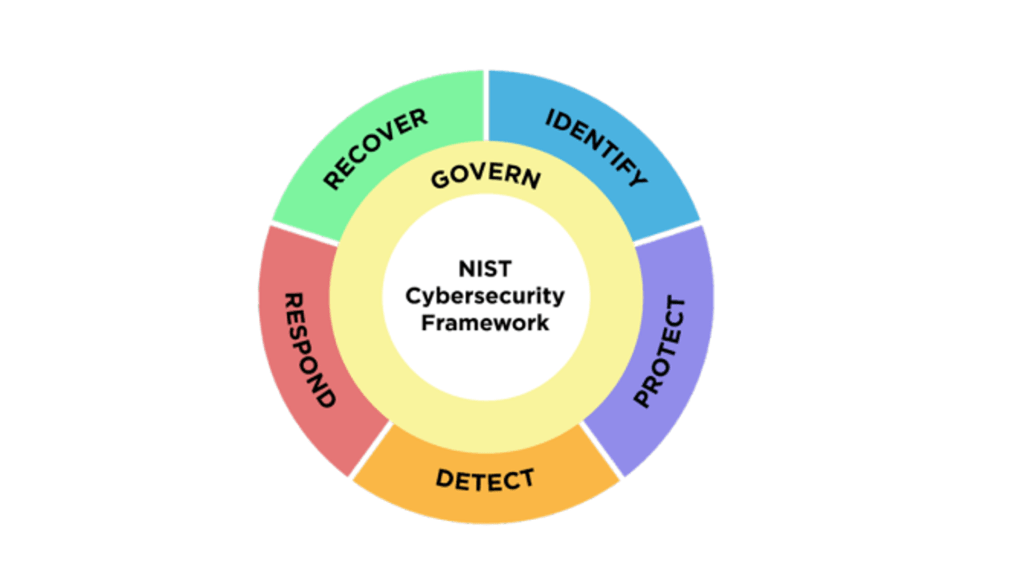
The National Institute of Standards and Technology (NIST) has officially released version 2.0 of its landmark Cybersecurity Framework (CSF), marking its first major update since the framework’s inception in 2014. The revised framework introduces significant enhancements designed to extend its applicability and effectiveness across a broader spectrum of organizations, ranging from the smallest schools and…
-
Overview: Phish Tale of the Week After the Takedown: LockBit Ransomware’s Resurgence Alarming Surge in BlackCat Ransomware Targets U.S. Healthcare How can Netizen help? Phish Tale of the Week Often times phishing/smishing campaigns, created by malicious actors, target users by utilizing social engineering. For example, in this text message, the actors are appearing as Coinbase…
-

The Cybersecurity and Infrastructure Security Agency (CISA) is taking a strategic step forward by integrating its various zero trust security initiatives under one roof, according to Sean Connelly, CISA’s senior cybersecurity architect and trusted internet connections program manager, last Thursday at CyberScoop’s Zero Trust Summit. Connelly has been instrumental in shaping the agency’s zero trust…
-

The UK’s National Crime Agency (NCA) successfully thwarted LockBit, a notorious global cybercrime syndicate known for ransomware attacks. The operation, named Cronos, involved seizing control of LockBit’s network and was a collaborative effort with international law enforcement. This highlights the evolving capabilities of law enforcement against cyber threats and emphasizes the commitment to supporting recovery…
-

Data disposal, a critical component of information lifecycle management, involves the processes and methods used to permanently remove or delete data from digital storage devices. This practice is essential in managing data securely, ensuring that once data is no longer required, it cannot be recovered or misused. Data disposal works by overwriting the original data…
-

Ukraine has found itself at the center of a sophisticated cyber-attack campaign, where over 2,000 computers have been compromised by the malware strain known as DirtyMoe. This malicious software, active since 2016, is notorious for its capabilities in executing cryptojacking and distributed denial-of-service (DDoS) attacks. The Computer Emergency Response Team of Ukraine (CERT-UA) attributes these…
-
Overview: Phish Tale of the Week Microsoft’s Response to the Midnight Blizzard Cyberattack Environmental Services Industry Faces Unprecedented DDoS Attacks How can Netizen help? Phish Tale of the Week Often times phishing campaigns, created by malicious actors, target users by utilizing social engineering. For example, in this text message, the actors are appearing as Netflix…
-

The U.S. Cybersecurity and Infrastructure Security Agency (CISA) has taken a significant step towards enhancing the cybersecurity posture of the nation’s critical infrastructure sectors. The agency has announced the launch of an innovative pilot program, aimed at extending cutting-edge cybersecurity shared services to critical infrastructure entities, especially those most in need of such support. This…
-

The FBI recently released a PIN (Private Industry Notification) in order to “highlight emerging ransomware trends,” in this case “dual ransomware attacks,” a type of attack that targets the same organization twice with two different types of ransomware, resulting in a significantly more encrypted system for the victims. A dual ransomware attack is classified by…

