Category: Technology
-
The Defense Information Systems Network (DISN) is the primary enterprise telecommunications infrastructure for the United States Department of Defense. Managed by the Defense Information Systems Agency (DISA), DISN has evolved over more than four decades to support classified and unclassified communications across every domain of military and national security operations. Its architecture underpins mission-critical services…
-

Lateral movement is a post-compromise technique used by attackers to quietly move through a network, escalate privileges, and access critical systems or data. By leveraging stolen credentials, exploiting trusted protocols like WMI and SMB, and abusing built-in tools such as PowerShell and PsExec, adversaries can blend in with normal activity and remain undetected. Detecting and…
-

Four critical vulnerabilities in OpenSynergy’s BlueSDK Bluetooth stack, named “PerfektBlue,” expose millions of vehicles to remote code execution risks. Identified by PCA Cyber Security, these vulnerabilities can allow attackers to exploit infotainment systems, risking unauthorized access, data manipulation, and potential compromise of critical vehicle functions. Manufacturers are working on security updates.
-

In July 2025, Microsoft addressed 137 vulnerabilities, including one zero-day, with fourteen critical flaws primarily involving remote code execution. Key vulnerabilities include issues in SQL Server, SharePoint, and Office. Organizations are urged to prioritize patching critical software, while other vendors like AMD, Cisco, and Google also released important security updates.
-
The U.S. Justice Department has indicted individuals involved in North Korean operations exploiting remote IT work. These schemes included compromised identities to facilitate access to sensitive U.S. data, with significant financial repercussions. Microsoft has suspended accounts linked to these activities and emphasized the growing use of AI by North Korean hackers to enhance fraud.
-
The Department of Homeland Security issued a National Terrorism Advisory Bulletin warning of increased cyberattack risks following U.S. airstrikes on Iranian nuclear sites. The alert noted potential retaliatory violence and highlighted Iran’s history of targeting U.S. networks. Organizations are advised to adopt cybersecurity best practices and remain vigilant amid rising tensions.
-

Multi-Factor Authentication (MFA) enhances security by requiring users to provide multiple verification factors to access accounts. This process significantly reduces the risk of unauthorized access, even if passwords are compromised. Various methods, including SMS codes, authenticator apps, and biometric features, bolster user protection against cyber threats. MFA is crucial for compliance in sensitive industries. However,…
-

Vulnerability management is vital for cybersecurity but is limited to known assets, often leaving blind spots. External Attack Surface Management (EASM) enhances this by continuously identifying unknown risks and unmanaged resources. EASM provides real-time alerts and deeper visibility, enabling organizations to address potential threats effectively and secure their infrastructure.
-

Cloud Security Posture Management (CSPM) automates the scanning of cloud infrastructures for security misconfigurations, vulnerabilities, and compliance violations, ensuring organizations maintain robust cloud security. By detecting issues in real time, CSPM tools enhance visibility, simplify regulatory compliance, and enable proactive incident response to safeguard sensitive data against threats.
-
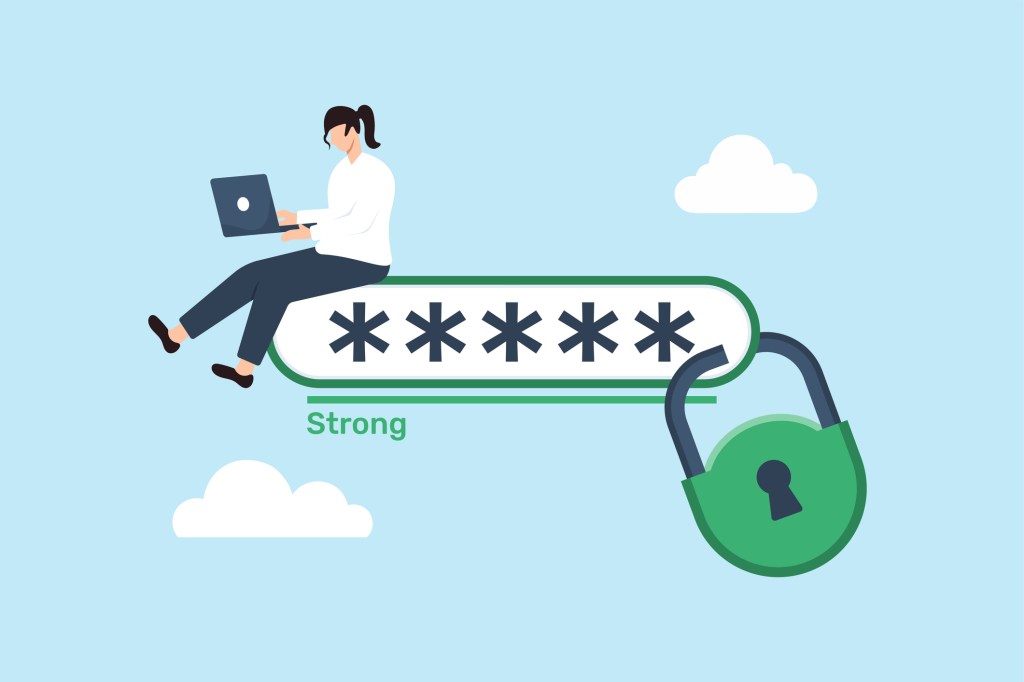
A strong password is crucial for online security, mitigating risks from cybercriminals. It should be long, complex, and unpredictable. Best practices include using randomly generated passwords, passphrases, and password managers for secure storage. Alternative methods like biometrics enhance safety further. Effective management of credentials strengthens overall cybersecurity.

