Netizen Blog and News
The Netizen team sharing expertise, insights and useful information in cybersecurity, compliance, and software assurance.
Category: Open Source
-
Open-source large language models running outside commercial platforms have quietly become a stable layer of internet-facing infrastructure. At scale, they are now being indexed, scanned, and reused in patterns consistent with earlier waves of exposed services such as mail relays, databases, and CI/CD systems. Their security risk is not theoretical. These deployments offer programmable language…
-

A surge of malicious activity in the npm ecosystem re-emerged on November 24, linked to the Shai Hulud campaign. The attack targets gaps in authentication token migration, potentially compromising developer environments. Hundreds of packages were affected, prompting organizations to audit dependencies, rotate credentials, and enhance security measures to mitigate risks associated with exposed secrets.
-
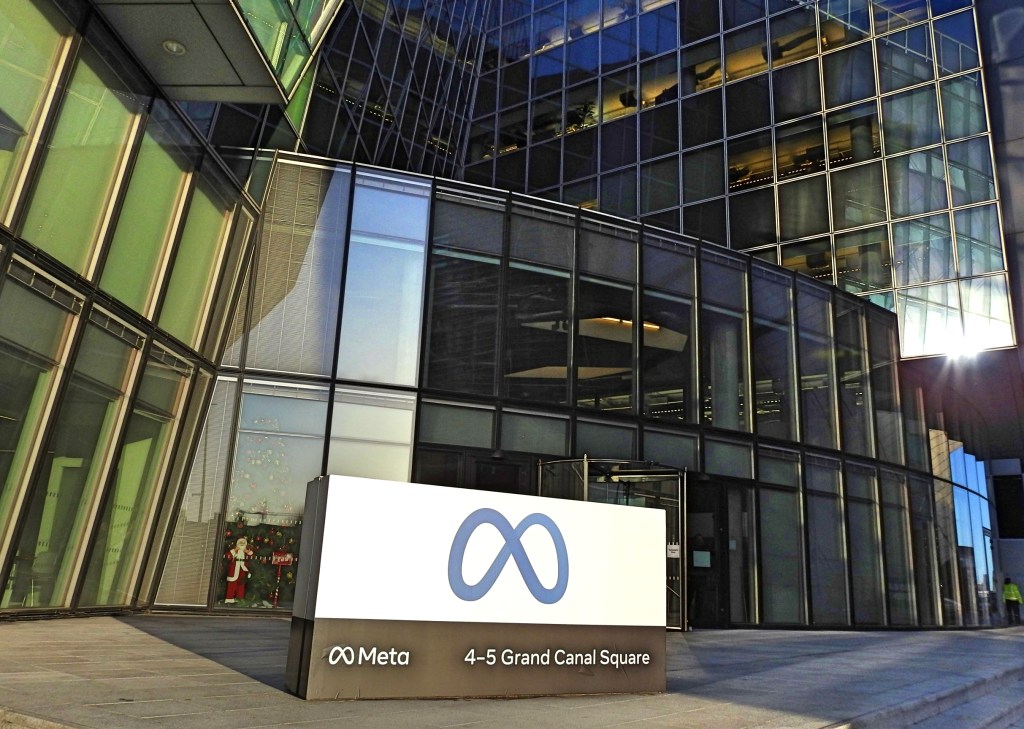
Meta faces allegations of digital piracy for reportedly reuploading 30% of pirated books used in AI training, raising critical cybersecurity and intellectual property concerns. Internal emails reveal executives were aware of potential legal risks. The reliance on sources like shadow libraries could lead to malware risks and data integrity issues, complicating fair use defenses.
-

Code Access Security (CAS) was an essential security feature in the Microsoft .NET framework, controlling how untrusted code accessed system resources. Despite its significance, it became obsolete with .NET Core due to complexity and inefficiency.
-

Building a cybersecurity home lab allows you to explore areas like network security and penetration testing. Start with basic hardware, create segmented networks, and use virtualization to simulate threats safely. Incorporate tools for offensive and defensive practices while also ensuring ethical and legal considerations. This approach fosters hands-on learning and skill development.
-

With 70% of Microsoft’s 850 million active users on Windows 10, IT teams face critical transitions as the End of Support deadline approaches. Microsoft’s aggressive push for Windows 11 brings challenges like hardware upgrades and user resistance. Proactive planning and strategy are vital for seamless migration and operational security during this change.
-

In October 2024, Microsoft addressed 118 vulnerabilities, including five zero-days, two actively exploited. Key vulnerabilities included three critical remote code executions. Other patched vulnerabilities ranged from elevation of privilege to denial of service. Users are urged to apply these patches promptly, while Adobe also released key updates for its products.
-

Penetration testing is a flexible skill for cybersecurity analysts. A drop box, like the one built with a Raspberry Pi 3 and TP-Link AC1300 Wi-Fi adapter, provides secure, cost-effective, and easy network access. Netizen offers cybersecurity services, including penetration testing, vulnerability assessments, and automation tools. Visit www.netizen.net/contact for inquiries.
-

Switzerland has enacted EMBAG, mandating open-source software use in the public sector, promoting transparency and security. The US has a cautious approach due to security concerns, but may need to reassess. Open source fosters innovation, cost savings, and enhances security.
-

Cryptography has been crucial in securing data since ancient times, evolving from the Caesar cipher to modern blockchain technology. Blockchain heavily relies on cryptography to ensure data integrity and security. Public and private keys, digital signatures, hashing, and cryptographic algorithms like SHA-256 and ECDSA play vital roles in blockchain security. Common vulnerabilities, recent advancements, and…
 Netizen Blog and News