Category: Government IT
-
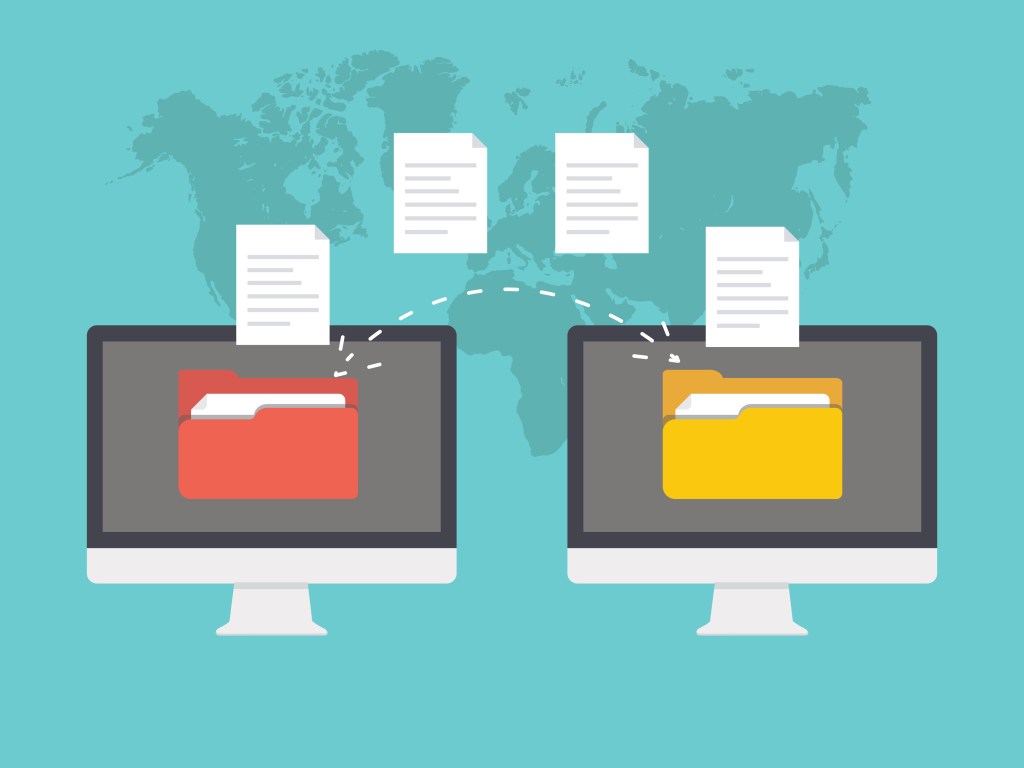
Federal agencies are enhancing data routing security measures to protect against cyberattacks. By implementing the Border Gateway Protocol (BGP) and leveraging encryption frameworks like RPKI, they aim to thwart hijacking attempts. National Cyber Director Harry Coker emphasized the importance of cybersecurity partnerships and addressed the need to secure space systems and build a robust cybersecurity…
-

Overview: Phish Tale of the Week Critical Security Flaws Exposed in Popular WordPress Plugin Slider Revolution Thousands of Computers at Risk: Backdoor Found in Justice AV Solutions Viewer Software How can Netizen help? Phish Tale of the Week Often times phishing campaigns, created by malicious actors, target users by utilizing social engineering. For example, in…
-
The HIPAA Privacy Rule, issued by the U.S. Department of Health and Human Services, sets national standards to protect individuals’ medical records and health information. It applies to health plans, providers, and clearinghouses. Covered entities must comply with administrative measures, ensure data safeguards, and respect individual rights. Non-compliance can result in significant penalties.
-

Artificial Intelligence (AI) is undergoing a remarkable evolution within the federal government, driven by an increasing reliance on technology to enhance public administration and national security. The surge in generative AI since 2022 has marked a pivotal shift, fundamentally altering how the government operates and delivers services. Accelerated AI Project Timelines and Increased Efficiency Recent…
-

The MITRE Corporation has unveiled the EMB3D Threat Model, an advanced framework focused on securing embedded devices in critical infrastructure. It improves on existing models by integrating early security measures, maintaining an evolving knowledge base, and classifying threats based on device properties. Collaborative development and ongoing refinement are emphasized. For more information, visit the EMB3D…
-

The Payment Card Industry Data Security Standard (PCI DSS) is crucial for e-commerce businesses to safeguard payment systems. Adhering to the latest requirements of PCI DSS is vital, and implementing access controls, encryption, secure software development, regular security assessments, personnel training, and robust documentation is essential.
-

Navigating GDPR compliance in cloud services is complex, requiring a deep understanding of data protection, secure data transfer mechanisms, and adherence to data sovereignty laws. This analysis delves into the specifics of implementing GDPR in the cloud environment, ensuring businesses can effectively manage their data responsibilities. Understanding GDPR Compliance in the Cloud GDPR compliance is…
-

The Sarbanes-Oxley Act (SOX) links IT security with financial reporting integrity through sections 302 and 404, requiring robust internal controls and IT oversight. IT plays a critical role in ensuring compliance by managing data integrity, facilitating audits, and aligning strategies with corporate governance goals. Adapting to new technologies and investing in compliance technology is essential…
-

Overview: Phish Tale of the Week New Security Vulnerability in R Language Allows Code Execution via RDS/RDX Files Lazarus Group’s New Cyber Attack Strategy: Kaolin RAT Delivered Through Fabricated Job Offers How can Netizen help? Phish Tale of the Week Often times phishing campaigns, created by malicious actors, target users by utilizing social engineering. For…
-

The Department of Defense (DoD) Cyber Crime Center (DC3) and Defense Counterintelligence and Security Agency (DCSA) have launched a Vulnerability Disclosure Program (DIB-VDP) for defense contractors, aiming to enhance national security. It allows ethical hackers to identify and address cybersecurity threats within military contractor networks.

