Category: Threat Intelligence
-

Software bills of materials have become one of the most visible controls in software supply chain security. They provide a machine-readable inventory of the libraries, packages, modules, frameworks, and other components associated with a software product. When a new vulnerability is disclosed, an SBOM can help an organization determine which applications may contain the affected…
-

Prompt injection was first treated mainly as a text-security problem. An attacker typed a tempted to override its system rules, and tried to make the model produce restricted information or perform an unintended task. Multimodal models and computer-use agents have changed that threat model. Instructions no longer need to arrive through a chat box. They…
-

Microsoft’s July 2026 Patch Tuesday is the largest security release in the company’s history, delivering fixes for 570 vulnerabilities, including three zero-days. Two of the zero-days were actively exploited in the wild, while the third had been publicly disclosed before patches became available. The release also addresses 59 critical vulnerabilities, including 48 remote code execution…
-
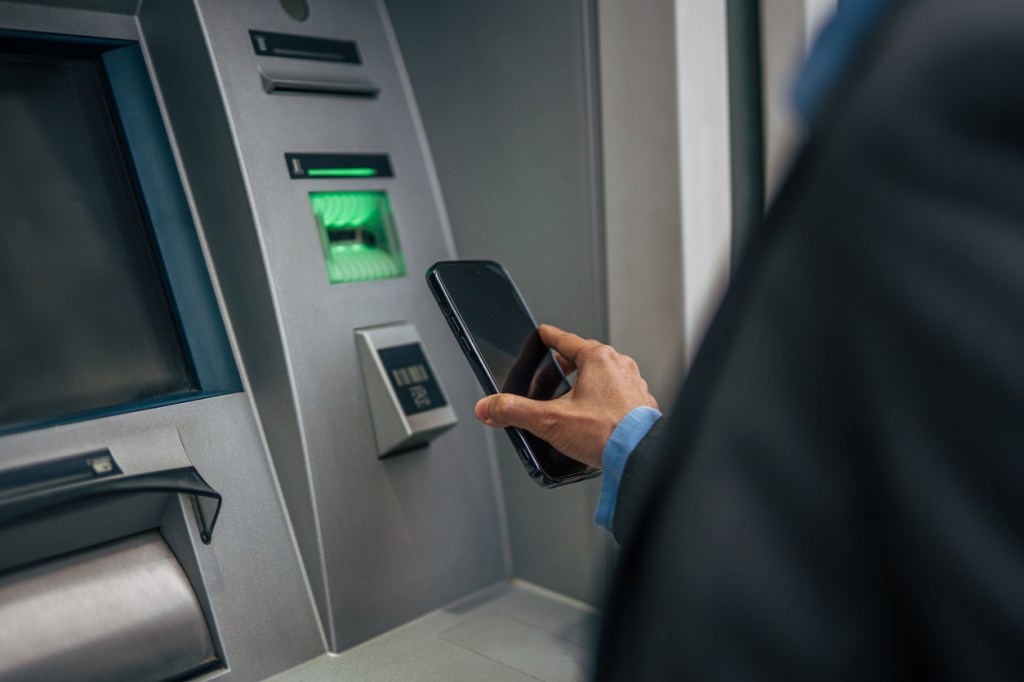
Today’s Topics: ATM Jackpotting Shows Why Encryption Wrappers Cannot Be Treated as a Final Defense RoguePlanet Shows Why Security Tools Are Becoming Post-Compromise Targets How can Netizen help? ATM Jackpotting Shows Why Encryption Wrappers Cannot Be Treated as a Final Defense ATM security often looks stronger from the outside than it is at the computing…
-

As AI agents move from chat interfaces into production systems, the security question is no longer limited to what a model can say. It is now also about what the agent can reach, what tools it can invoke, and which user-linked accounts sit behind those tool calls. That shift is what makes the Model Context…
-

AI agents are becoming useful for the same reason they are becoming risky: they can act. They can browse websites, read files, call APIs, search repositories, invoke MCP servers, use skill files, modify documents, and trigger workflows across external systems. That makes them very different from older chatbot deployments, where most risk stayed inside the…
-

Today’s Topics: BioShocking Shows Why AI Browsers Turn Prompt Injection Into Account Access FBI Seizure of NetNut Shows How Residential Proxies Turn Home Devices Into Cybercrime Infrastructure How can Netizen help? BioShocking Shows Why AI Browsers Turn Prompt Injection Into Account Access AI browsers change the risk model for web security. A normal browser displays…
-

Vulnerability management has always involved a mismatch between volume and capacity. Security teams identify thousands of findings across endpoints, cloud workloads, SaaS platforms, network appliances, containers, applications, and third-party software. Remediation teams do not have unlimited time, and many systems cannot be patched without maintenance windows, regression testing, uptime planning, or business approval. That is…
-

Today’s Topics: Squidbleed Shows Why Old Proxy Code Still Belongs in the Threat Model FortiBleed Shows Why Firewall Credentials Are Now Perimeter Risk How can Netizen help? Squidbleed Shows Why Old Proxy Code Still Belongs in the Threat Model Squidbleed is the kind of vulnerability that looks small in code and much larger in an…
-

Today’s Topics: INTERPOL Warns Cybercrime Is Surging Across Asia-Pacific as Phishing, Ransomware, and AI Scams Scale Up The Gentlemen Ransomware Shows How Former Affiliates Are Building Faster, Leaner RaaS Operations How can Netizen help? INTERPOL Warns Cybercrime Is Surging Across Asia-Pacific as Phishing, Ransomware, and AI Scams Scale Up Cybercrime is rising sharply across Asia…

