Netizen Blog and News
The Netizen team sharing expertise, insights and useful information in cybersecurity, compliance, and software assurance.
recent posts
about
Category: Threat Intelligence
-

Today’s Topics: Featured Browser Extensions Caught Harvesting AI Chat Data at Scale A Chrome browser extension promoted as a trusted, “Featured” tool has been caught quietly collecting AI chat conversations at massive scale, raising serious questions about extension marketplace oversight and user consent in AI-heavy workflows. Urban VPN Proxy, a Chrome extension with roughly six…
-

Microsoft’s December 2025 Patch Tuesday includes fixes for 57 vulnerabilities, including one actively exploited zero-day and two publicly disclosed zero-days. Three of the patched flaws are classified as critical, all tied to remote code execution. Breakdown of Vulnerabilities These totals do not include 15 Microsoft Edge vulnerabilities or Mariner fixes that were released earlier in…
-

Today’s Topics: Detecting React2Shell: What Security Teams Should Be Watching for Right Now Since the disclosure of CVE-2025-55182 on December 3, 2025, most of the attention around React2Shell has centered on patching timelines and framework exposure. That is necessary, but for many environments, detection is the real safety net while fixes are staged, tested, and…
-
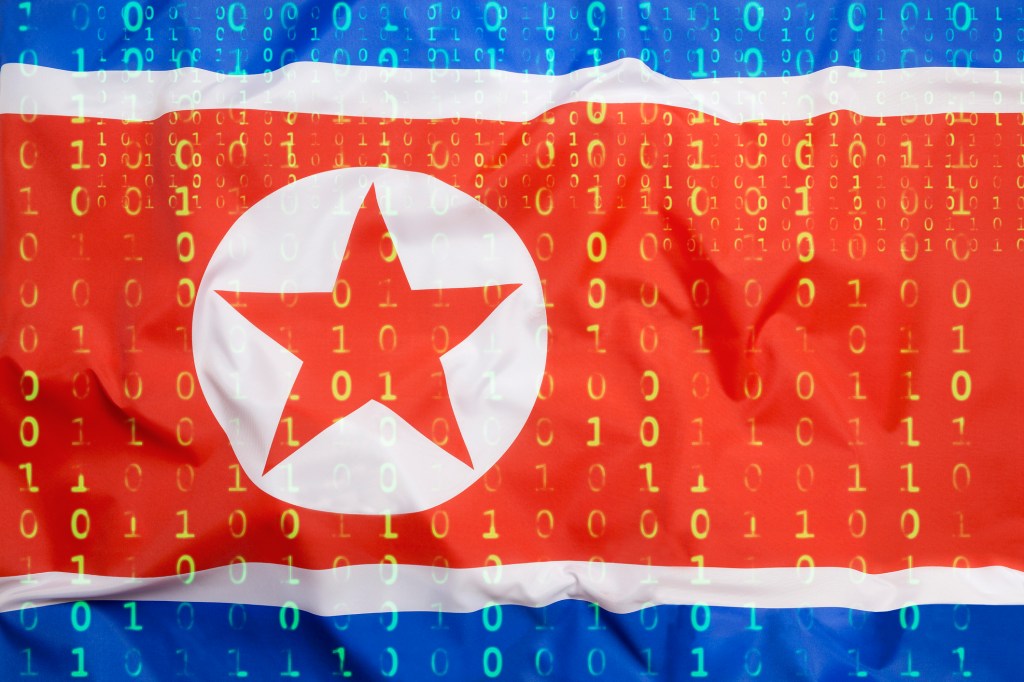
A joint investigation revealed North Korea’s Lazarus Group using identity theft to infiltrate Western companies by posing as remote IT workers. Recruiters targeted applicants, while the operators controlled victim laptops remotely. The findings emphasize the growing risk of remote recruitment for companies, stressing the need for strong identity controls and employee vigilance.
-

Organizations often struggle with increasing cybersecurity alert volumes and complex infrastructures. SOC-as-a-Service (SOCaaS) offers efficient monitoring and incident response through a managed service, allowing internal teams to focus on strategic improvements. Providers ensure continuous coverage, fast threat detection, and enhanced readiness, promoting effective incident response and sustainable security practices over time.
-

CISA identified the CVE-2021-26829 vulnerability in OpenPLC ScadaBR as actively exploited, linking it to attacks by the pro-Russian group TwoNet. North Korean operators have also uploaded malicious npm packages, continuing their Contagious Interview campaign. Netizen offers advanced cybersecurity services, positioning itself as a trusted partner for sensitive organizations.
-

CISA has mandated federal agencies to address a critical VMware Tools vulnerability exploited by Chinese state hackers. Additionally, a report has uncovered a YouTube campaign that used over 3,000 malware-laden videos to disseminate credential-stealing software.
-

ChatGPT’s Atlas browser combines browsing with an LLM, increasing security risks via prompt injection vulnerabilities. It blurs boundaries between browsing functions and language processing, exposing users to potential operational threats. Enhanced control measures are crucial for organizations adopting agent-based systems, necessitating least-access permissions, sandbox execution, and rigorous authentication processes.
-

A surge of malicious activity in the npm ecosystem re-emerged on November 24, linked to the Shai Hulud campaign. The attack targets gaps in authentication token migration, potentially compromising developer environments. Hundreds of packages were affected, prompting organizations to audit dependencies, rotate credentials, and enhance security measures to mitigate risks associated with exposed secrets.
-

Recent cyber threats include a flaw in 7-Zip’s symbolic link processing, tracked as CVE-2025-11001, and a Salesforce supply-chain breach involving Gainsight, which allowed OAuth token theft. Organizations are encouraged to update software and establish clear access policies for third-party integrations to mitigate risks and enhance cybersecurity. Netizen offers solutions for secure IT infrastructure.
 Netizen Blog and News