Netizen Blog and News
The Netizen team sharing expertise, insights and useful information in cybersecurity, compliance, and software assurance.
Category: Threat Intelligence
-

Microsoft has issued a critical update for Apple users to address the “HM Surf” vulnerability, which allows unauthorized access to sensitive data on Safari browsers. Simultaneously, the Chinese hackers APT41 have targeted the gambling sector for financial gain, executing sophisticated cyberattacks over several months. Users must apply security updates immediately to mitigate risks.
-

In February 2023, Lehigh Valley Health Network experienced a significant cyberattack by the BlackCat ransomware group, exposing sensitive patient data. The incident raised concerns about cybersecurity readiness and trust. Despite efficient emergency responses, LVHN faced lawsuits leading to a $65 million settlement, highlighting the need for enhanced defenses in healthcare against cyber threats.
-

Game Freak experienced a significant security breach, termed a “teraleak,” exposing over 25 years of confidential Pokémon art, assets, and documents, including personal information of 2,606 employees. The breach, linked to a potential phishing attack, raises concerns over stolen intellectual property and its impact on future projects within the Pokémon community.
-

The DoD has finalized the CMMC 2.0 rule, aimed at enhancing cybersecurity for contractors by 2025, reducing compliance levels from five to three. Meanwhile, Fidelity Investments reported a data breach affecting over 77,000 customers, leading to compromised personal information. Netizen offers cybersecurity services to assist businesses in compliance and risk management.
-
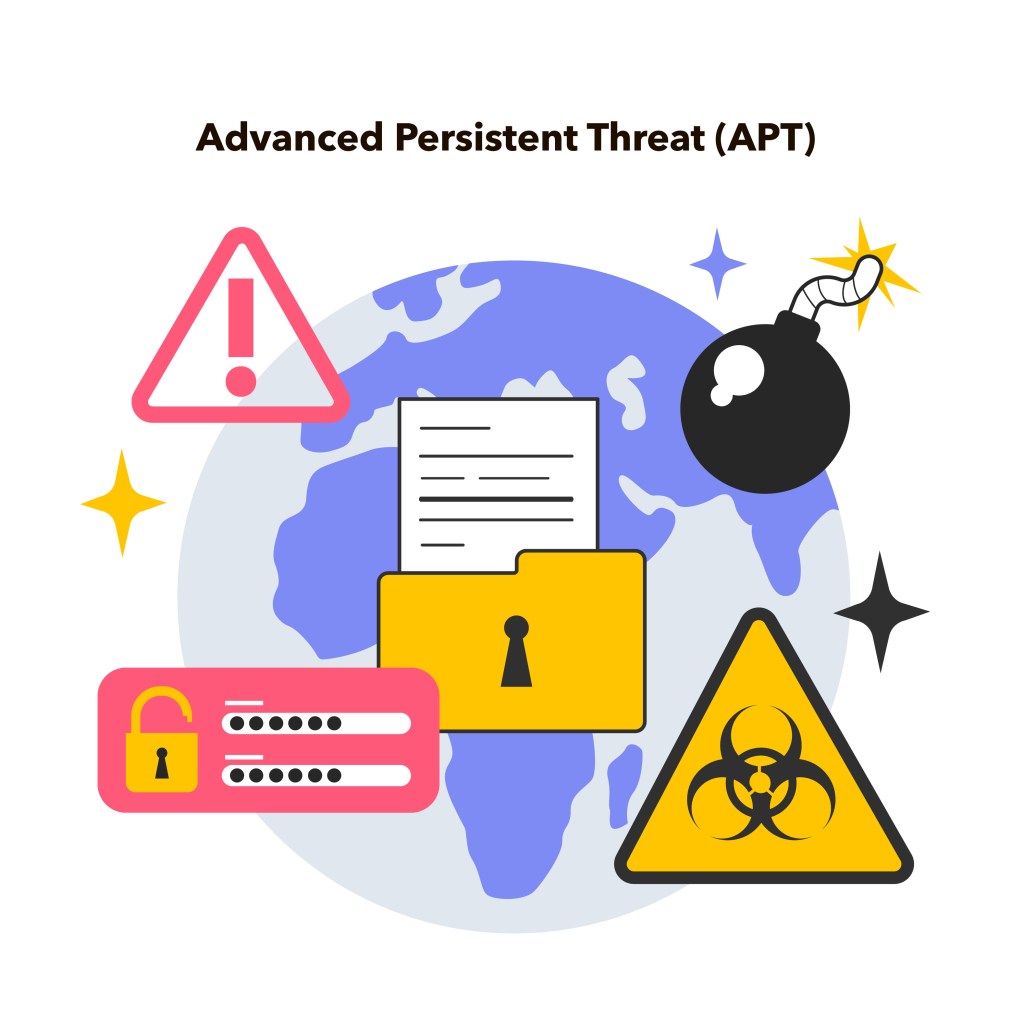
Advanced Persistent Threats (APTs) are long-term cyberattacks designed to maintain undetected access within systems for months or even years. Unlike short-term attacks, APTs exploit vulnerabilities to control networks stealthily. Organizations must implement proactive defenses, such as advanced threat detection and user training, to mitigate the risks posed by these threats.
-

Hackers are increasingly targeting supply chains, exploiting vulnerabilities in third-party systems to breach larger networks. Recent high-profile attacks leveraged flaws in common IT tools, causing significant disruptions. To mitigate risks, organizations must implement advanced supplier risk management, secure software pipelines, keep systems updated, and strengthen access controls, among other strategies.
-

The U.S. Department of Justice has indicted two Russian cybercriminals, Timur Shakhmametov, operator of the carding platform Joker’s Stash, and an unnamed individual known as “Taleon,” linked to Cryptex, a money laundering service. These actions aim to disrupt major cybercrime networks and send a strong message against global cybercrime.
-

The U.S. DoJ and Microsoft seized 107 Russian cybercrime domains linked to COLDRIVER, disrupting phishing schemes targeting U.S. officials. Additionally, Apple addressed critical security vulnerabilities in iOS and iPadOS related to VoiceOver and iPhone 16 audio, urging users to update their devices to enhance security. Netizen offers cybersecurity solutions to mitigate risks.
-

On June 11, 2024, researchers exposed serious vulnerabilities in Kia vehicles enabling remote control via a license plate. Attackers could access personal data and vehicle functions in under 30 seconds. While Kia addressed these flaws, the incident underscores significant automotive cybersecurity issues and the risks of unauthorized access to sensitive information.
-

Microsoft has revamped the Windows Recall feature, addressing prior privacy concerns by enhancing data security and making it optional for users. Meanwhile, Patelco Credit Union faced a ransomware breach affecting over 1 million members, compromising personal information. The credit union offers free credit monitoring to impacted individuals while investigating the attack.
 Netizen Blog and News