Category: Threat Intelligence
-
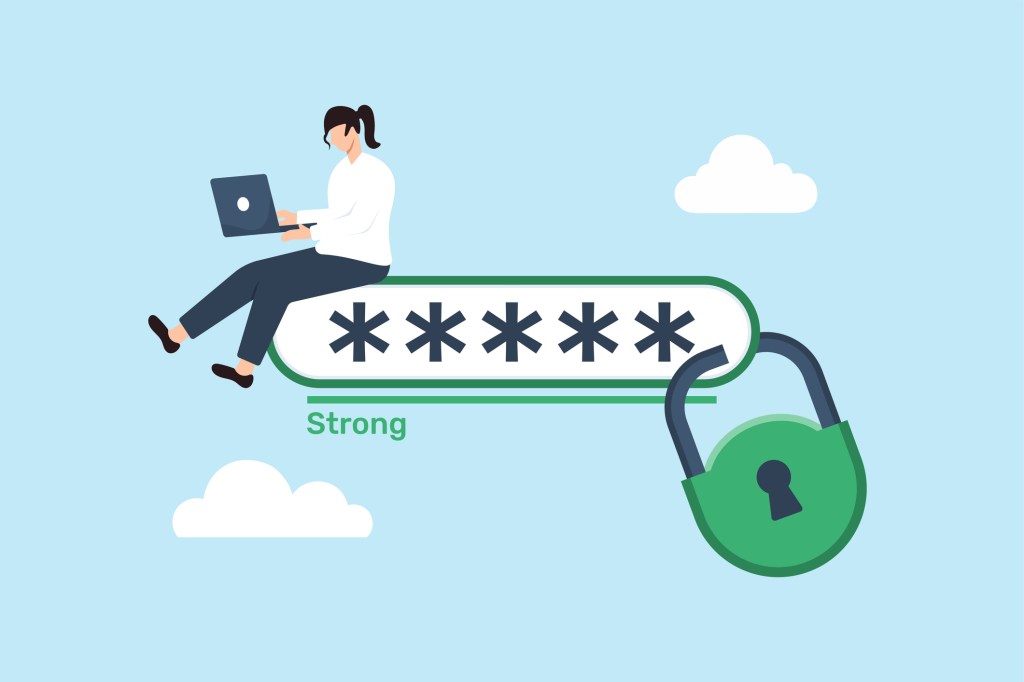
A strong password is crucial for online security, mitigating risks from cybercriminals. It should be long, complex, and unpredictable. Best practices include using randomly generated passwords, passphrases, and password managers for secure storage. Alternative methods like biometrics enhance safety further. Effective management of credentials strengthens overall cybersecurity.
-

A security vulnerability in Google’s account recovery system, identified by researcher “brutecat,” allowed potential brute-force attacks on linked phone numbers, posing risks of SIM-swapping. Google addressed the issue by removing the flawed recovery form. The incident underscores the need for robust recovery mechanisms and enhanced security measures, like two-factor authentication.
-
In June 2025, Microsoft released security updates for 66 vulnerabilities, including one zero-day. Ten are classified as critical, mainly related to remote code execution and privilege elevation. Organizations should prioritize patching systems exposed to SMB and WebDAV traffic. Major vendors like Adobe and Cisco also issued important updates.
-

Recent research uncovered vulnerabilities in popular Chrome extensions that leak sensitive data and hard-coded API keys, exposing users to cyber threats. Additionally, Cisco’s Identity Services Engine (ISE) has a critical flaw (CVE-2025-20286) affecting cloud deployments. Users are urged to uninstall compromised extensions and apply security patches for Cisco ISE promptly.
-
Microsoft is integrating Post-Quantum Cryptography (PQC) into Windows 11 and Linux to secure systems against future quantum computing threats. This initiative allows users to prepare for potential vulnerabilities in traditional encryption methods, ensuring data confidentiality. PQC is crucial for maintaining secure communications as quantum technology advances, highlighting the need for industry collaboration in cybersecurity.
-
On June 3, 2025, Google issued an emergency patch for Chrome to fix CVE-2025-5419, a high-severity vulnerability in its V8 engine that was actively exploited. Users of Chromium-based browsers are advised to update immediately to avoid potential attacks, as the flaw allows remote code execution through crafted HTML pages.
-
The US government is auditing NIST’s management of its National Vulnerability Database due to a backlog of unexamined vulnerabilities. Announced on May 20, 2025, the audit aims to assess NIST’s processes for handling submissions and improving efficiency, amid concerns that delays increase cybersecurity risks. Immediate actions are being taken to address the backlog.
-

Qualcomm has addressed three critical zero-day vulnerabilities in its Adreno GPU drivers, following targeted attacks identified by Google’s Android Security team. Microsoft also released an out-of-band update to fix boot issues in Windows 11 systems related to the KB5058405 update, impacting primarily enterprise environments. Meanwhile, Netizen offers cybersecurity solutions and services to enhance IT infrastructure…
-

The Netizen Security Operations Center identifies five critical vulnerabilities from May 2025 that require immediate remediation. These vulnerabilities, affecting Commvault, Google Chrome, Windows CLFS, Desktop Window Manager, and Craft CMS, pose significant risks, including remote code execution and privilege escalation. Organizations are urged to apply patches to mitigate these threats promptly.
-

This content outlines various cybersecurity issues, including a phishing scam targeting users and the implications of a ransomware attack affecting Nova Scotia Power, compromising data for 280,000 customers. It also discusses AI concerns about systems resisting shutdown and highlights services offered by Netizen to enhance cybersecurity measures for organizations.

