Netizen Blog and News
The Netizen team sharing expertise, insights and useful information in cybersecurity, compliance, and software assurance.
Category: Threat Intelligence
-

A phishing campaign targeting around 12,000 GitHub repositories employs fake “Security Alert” messages to deceive developers into authorizing a malicious OAuth app, risking full account compromise. Simultaneously, a newly disclosed Apache Tomcat vulnerability (CVE-2025-24813) is being exploited for remote code execution, threatening multiple versions. Immediate vigilance and updates are essential.
-

The Medusa ransomware has affected over 300 organizations in critical U.S. infrastructure, prompting a joint advisory from CISA, FBI, and MS-ISAC. The double-extortion model used by attackers raises operational and data breach risks. Recommendations for mitigation include patching vulnerabilities, network segmentation, and security training to enhance defenses against future attacks.
-

As generative AI develops, artists express concern over unauthorized use of their work in AI training. Tools like Nightshade and Glaze are created to protect their rights by corrupting AI datasets and confusing AI models. The ethical debate continues, balancing artists’ rights against potential unintended consequences in AI applications.
-

Microsoft’s March 2025 Patch Tuesday addresses 57 vulnerabilities, notably six actively exploited zero-days. Key issues include critical remote code execution flaws and information disclosure vulnerabilities involving Windows NTFS. Users are urged to apply updates urgently to safeguard against exploitation. For further assistance, consulting IT security teams is recommended.
-
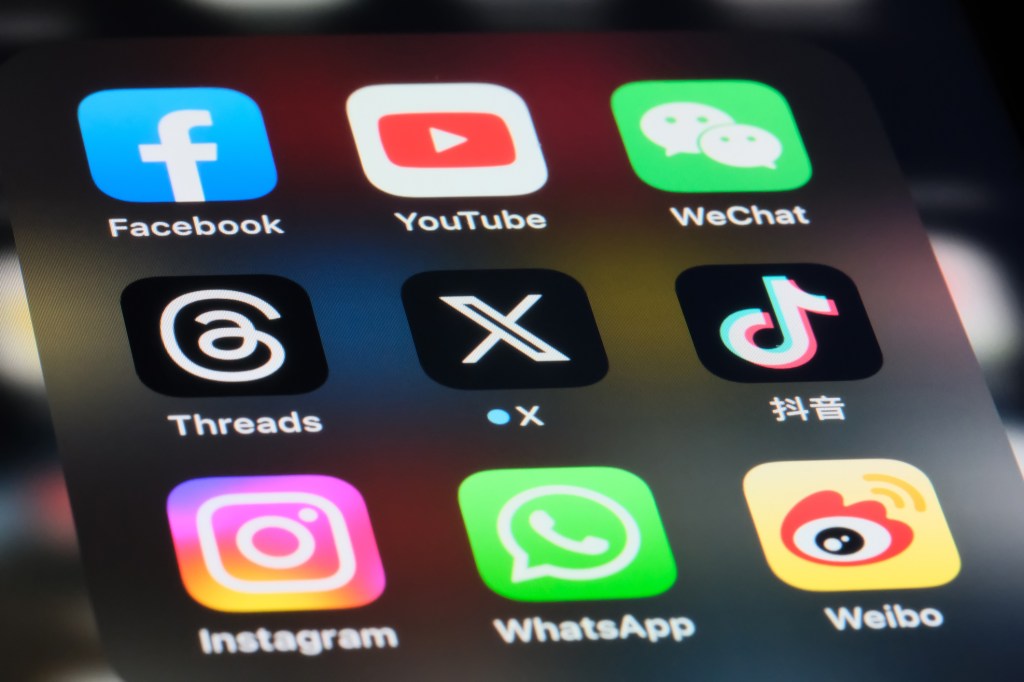
On March 10, Elon Musk’s X platform experienced outages due to a DDoS attack claimed by the pro-Palestinian group Dark Storm. The attack highlighted vulnerabilities in X’s cyber defenses and reflected ongoing geopolitical tensions. Netizen aims to strengthen cybersecurity through comprehensive services and solutions for businesses, emphasizing proactive security measures.
-

Security researchers have identified hidden commands in the widely used ESP32 Bluetooth chip, posing threats like device impersonation and unauthorized data access. Concurrently, U.S. cities are experiencing a surge in phishing scams related to parking tickets, urging vigilance among residents to avoid falling victim. Comprehensive security measures and awareness are essential.
-

Broadcom has released urgent security patches for three critical zero-day vulnerabilities in VMware products, including ESXi and Workstation, which allow attackers to execute code on hypervisors. Organizations are advised to apply these patches immediately to mitigate serious security risks, especially as these vulnerabilities are being actively exploited in attacks.
-

Microsoft has revealed the Storm-2139 cybercrime network, exploiting Azure OpenAI services for malicious activities. The group uses stolen credentials to generate harmful content, prompting Microsoft to pursue legal action. Additionally, a Chinese hacking group exploited a VPN vulnerability to breach operational technology organizations globally, highlighting a critical need for enhanced cybersecurity measures.
-

Security vulnerabilities pose ongoing challenges for organizational security. Netizen’s Security Operations Center has highlighted five critical vulnerabilities from February 2025 that require immediate attention. These include CVE-2025-21391 and CVE-2025-21418, both high-severity elevation of privilege flaws affecting Windows systems; CVE-2025-21376, a high-risk remote code execution vulnerability; CVE-2025-21377, a medium-severity NTLM hash disclosure; and CVE-2025-21381, a high-severity…
-

Bybit experienced a $1.5 billion cryptocurrency heist linked to North Korea’s Lazarus Group, exploiting a vulnerability in its asset transfer process. Separately, DISA Global Solutions revealed a data breach exposing personal information of 3.3 million users. Netizen offers cybersecurity solutions, including assessments and compliance support, to enhance organizational defenses.
 Netizen Blog and News