Netizen Blog and News
The Netizen team sharing expertise, insights and useful information in cybersecurity, compliance, and software assurance.
Category: Technology
-
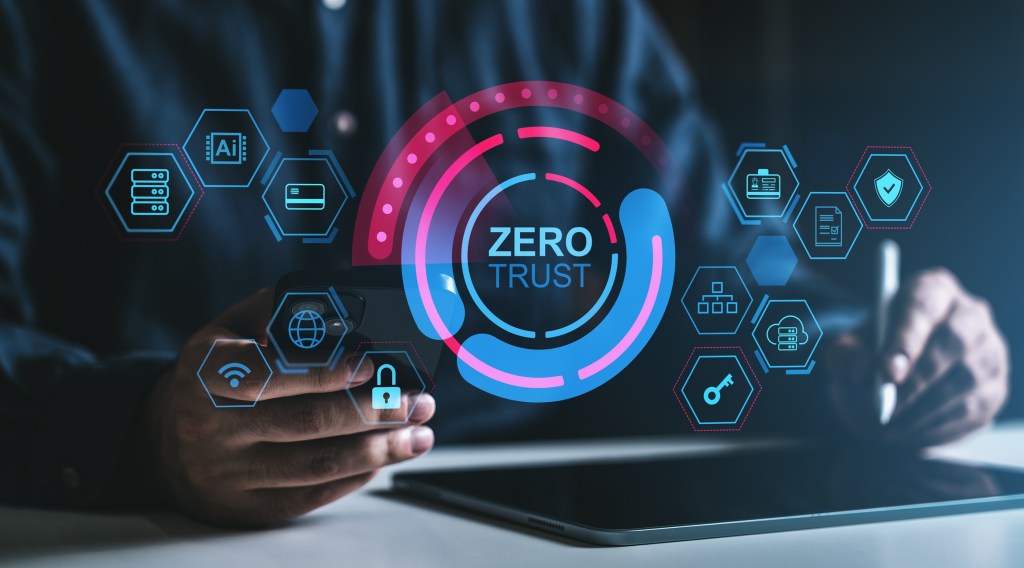
Zero Trust Network Access (ZTNA) is crucial for contemporary organizations, offering continuous verification and identity-centric access control to enhance security amid evolving cyber threats. Unlike traditional models, ZTNA minimizes lateral movement, reduces attack surfaces, and simplifies remote access. Integrating with SASE, ZTNA ensures only authorized users can access applications, fostering a secure environment.
-

Human Digital Twins (HDTs) enhance cybersecurity by monitoring user behavior to detect anomalies and insider threats, moving beyond traditional identity management. They continually analyze user actions post-login, enabling real-time alerts for compromised accounts. Integrated within Zero Trust frameworks, HDTs provide adaptive access control while addressing privacy concerns through strict data governance and compliance measures.
-

Small and mid-sized businesses (SMBs) are facing risks due to unregulated data retention, lacking formal policies for data governance. This increases exposure to cyberattacks and compliance failures. Implementing effective data retention and deletion policies is essential for compliance, security improvement, and cost management, helping organizations mitigate legal and operational risks.
-

Federal agencies are shifting to Zero Trust cybersecurity due to the inadequacy of traditional perimeter defenses in decentralized environments. Executive Order 14028 mandates this transition by 2024, emphasizing identity management, adaptive access, and integration across security pillars. Agencies must avoid siloed implementations to ensure effective protection and compliance in dynamic work environments.
-

Microsoft’s August 2025 Patch Tuesday addresses 107 vulnerabilities, including a critical zero-day in Windows Kerberos, which allows privilege escalation. Organizations should prioritize patching and limiting access to sensitive attributes. Major vendors like Adobe, Cisco, and Fortinet also released important updates.
-

Fileless malware and Living Off the Land Binaries (LOLBins) utilize legitimate system tools to execute attacks without leaving traces on disk. Their in-memory operations evade traditional detection methods. Security teams must adapt by employing advanced detection strategies, focusing on context and memory monitoring. Netizen offers comprehensive cybersecurity solutions and assessments to combat these threats.
-

The FBI, CISA, and NCSC-UK issued a warning on the Scattered Spider cyber threat group, known for targeting IT help desks via social engineering and ransomware. They use common IT tools for stealthy attacks, including data exfiltration methods. Organizations are urged to implement stronger defenses and monitor for unusual activities.
-

Zero-day vulnerabilities pose significant challenges in cybersecurity as they are unknown to vendors, making them exploitable before patches are available. Attackers utilize these flaws to infiltrate sensitive systems, necessitating strategies for detection and risk mitigation. Organizations can enhance defenses through proactive measures, behavioral monitoring, and robust incident response planning.
-

Security researchers found that weak password practices led to the exposure of 64 million job applicant records from McDonald’s, linked to Paradox.ai’s inadequacies. Malware also compromised sensitive credentials, including session cookies. Despite claims of enhanced security measures, vulnerabilities persist, highlighting a need for rigorous cybersecurity protocols and services from firms like Netizen.
-

On July 22, 2025, CISA mandated FCEB agencies to patch critical SharePoint vulnerabilities linked to Chinese state-sponsored hackers. Exploiting these flaws, perpetrators execute remote code and evade detection using tools like PowerShell. Security researchers warn that AMSI is insufficient for defense, urging organizations to implement comprehensive mitigation strategies against these exploits.
 Netizen Blog and News