Category: Technology
-
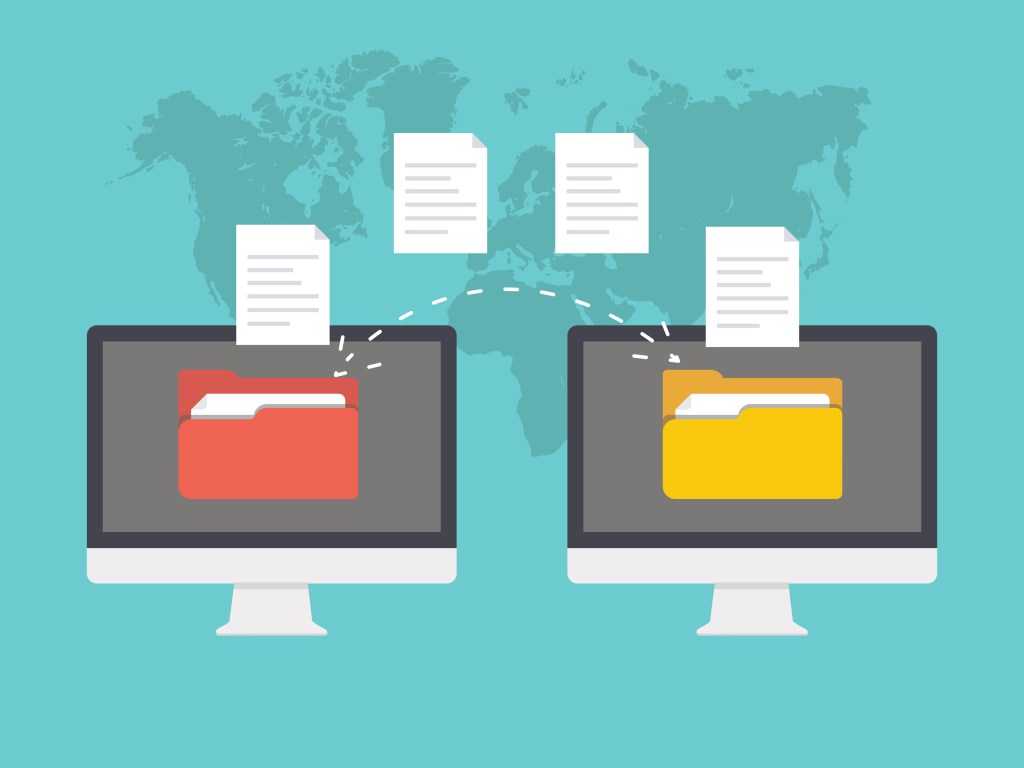
Federal agencies are enhancing data routing security measures to protect against cyberattacks. By implementing the Border Gateway Protocol (BGP) and leveraging encryption frameworks like RPKI, they aim to thwart hijacking attempts. National Cyber Director Harry Coker emphasized the importance of cybersecurity partnerships and addressed the need to secure space systems and build a robust cybersecurity…
-

Live Nation Entertainment, Inc. discovered unauthorized activity in a third-party cloud database, potentially compromising data of 560 million customers, with the cybercriminal group ShinyHunters claiming responsibility. Live Nation is working to mitigate risks, notify affected individuals, and cooperate with law enforcement. Despite the breach, they believe it will not significantly impact their operations.
-
The evolving cyberthreat landscape poses a significant risk to small and medium-sized businesses (SMBs), with reported breaches increasing by 57% and exposed records up by 29%. To safeguard against these threats, SMBs should implement critical cybersecurity practices, including SSL certificate management, multi-factor authentication, firewalls, regular data backups, incident response planning, and more.
-
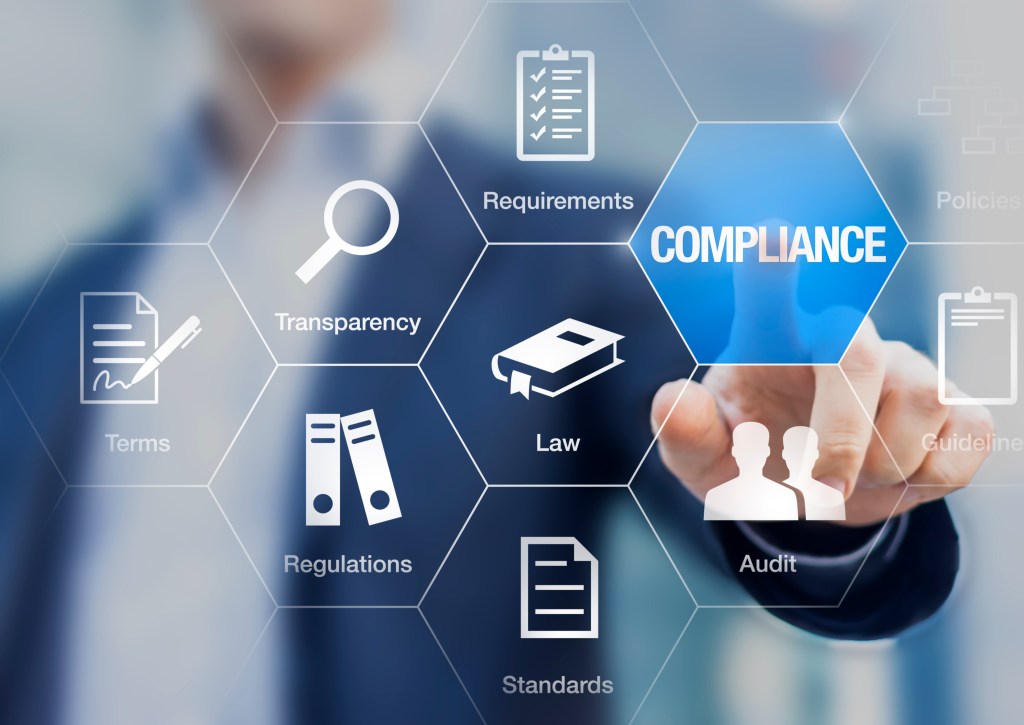
In the intricate landscape of modern business, adhering to regulatory compliance standards is not just an obligation; it’s a critical component of sustainable operation. The challenge, however, lies in the relentless evolution of these regulations and the complexity of ensuring consistent compliance across all facets of an organization. To effectively manage this complexity and uphold…
-
Secure Email Gateways (SEGs) are essential tools in protecting organizations from a variety of email-based threats. These gateways utilize signature analysis and machine learning to detect and block malicious emails before they reach recipients’ inboxes. Given the prevalence of email attacks such as phishing, SEGs are a critical component of cybersecurity strategies for businesses. The…
-

Privileged Access Management (PAM) is vital in the digital landscape to protect sensitive data from cyber threats. PAM uses RBAC, JIT access, MFA, and monitoring to enhance security, compliance, and operational efficiency.
-

The Payment Card Industry Data Security Standard (PCI DSS) is crucial for e-commerce businesses to safeguard payment systems. Adhering to the latest requirements of PCI DSS is vital, and implementing access controls, encryption, secure software development, regular security assessments, personnel training, and robust documentation is essential.
-

The Sarbanes-Oxley Act (SOX) links IT security with financial reporting integrity through sections 302 and 404, requiring robust internal controls and IT oversight. IT plays a critical role in ensuring compliance by managing data integrity, facilitating audits, and aligning strategies with corporate governance goals. Adapting to new technologies and investing in compliance technology is essential…
-

The cyber warfare landscape in Ukraine is experiencing a surge in attacks, targeting military personnel and critical infrastructure. Researchers uncovered an operation using a seven-year-old flaw in Microsoft Office to distribute malware disguised as a Signal app file. Ukrainian armed forces are increasingly targeted through messaging and dating platforms, necessitating enhanced cybersecurity measures.
-
The evolution of software piracy dates back to the 1970s, with the use of cracks and keygens to unlock paid software. However, this practice is illegal and poses cybersecurity risks, leading to severe legal and ethical consequences. To combat software piracy, organizations and individuals should prioritize ethical software practices and consider proactive cybersecurity measures.
 Netizen Blog and News