Netizen Blog and News
The Netizen team sharing expertise, insights and useful information in cybersecurity, compliance, and software assurance.
Category: Technology
-

GreyNoise Intelligence has discovered two critical zero-day vulnerabilities in IoT live-streaming cameras, specifically CVE-2024-8956 and CVE-2024-8957. These flaws pose significant risks in sensitive environments like healthcare and government. GreyNoise highlights the importance of AI in threat detection, advocating for proactive cybersecurity measures and regular updates to IoT device security.
-

Phishing has evolved into a sophisticated form of cyberattack, utilizing tactics like spear phishing, smishing, and vishing to manipulate individuals into revealing sensitive information. Modern techniques leverage AI, deepfake technology, and advanced impersonation methods, making detection more challenging. Vigilance and proactive security measures are essential for protection against these evolving threats.
-

Microsoft’s November 2024 Patch Tuesday addresses 88 vulnerabilities, including four critical and two resolved zero-days. Notable vulnerabilities include NTLM hash disclosure and Windows Task Scheduler elevation. Users are urged to prioritize patching to mitigate risks. Additional updates from Adobe, Cisco, and Apple were also released, enhancing overall security measures.
-

The DoD’s CMMC 2.0, effective December 16, 2024, aims to enhance cybersecurity in the defense supply chain. The model simplifies requirements for SMBs by reducing maturity levels to three, emphasizing self-assessments, and offering phased implementation. Compliance is essential for contract eligibility, providing both challenges and opportunities for SMBs to strengthen cybersecurity practices.
-

As concerns over U.S. election security mount, technology’s role has come under scrutiny. Companies like Clear Ballot have implemented secure voting systems, utilizing air-gapped machines to minimize cyberattack risks. However, physical access remains a threat. Disinformation campaigns further undermine public trust. Effective cybersecurity measures and vendor evaluations are crucial for safeguarding electoral integrity.
-
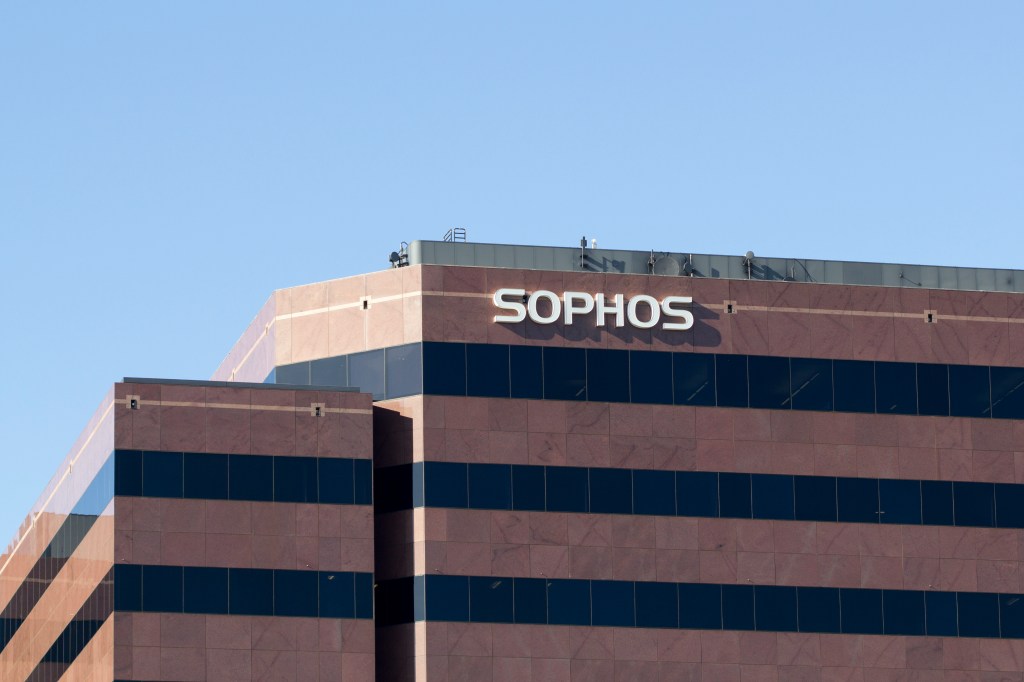
British cybersecurity firm Sophos has faced ongoing attacks from state-sponsored Chinese hackers since 2018. These attackers exploit vulnerabilities and adapt tactics, targeting critical sectors. Sophos’ proactive measures include deploying software implants for real-time monitoring. Collaborating with international agencies, the firm emphasizes the need for innovative defense strategies against increasingly sophisticated threats.
-

SynthID, developed by Google DeepMind, embeds invisible watermarks in AI-generated content to verify authenticity, enhancing cybersecurity and combatting disinformation. Though resilient, its effectiveness is limited to Google’s models, and it raises new privacy and security concerns. Open-sourcing SynthID may foster broader applications in digital content verification.
-

Fortinet has revealed a serious vulnerability in its FortiManager API, identified as CVE-2024-47575, which enables attackers to access sensitive information, including configuration files and credentials. Despite warnings issued to customers, early exploitation was reported before the disclosure, leading to frustration over Fortinet’s delayed notification and transparency regarding this critical flaw.
-

In February 2023, Lehigh Valley Health Network experienced a significant cyberattack by the BlackCat ransomware group, exposing sensitive patient data. The incident raised concerns about cybersecurity readiness and trust. Despite efficient emergency responses, LVHN faced lawsuits leading to a $65 million settlement, highlighting the need for enhanced defenses in healthcare against cyber threats.
-

In October 2024, Microsoft addressed 118 vulnerabilities, including five zero-days, two actively exploited. Key vulnerabilities included three critical remote code executions. Other patched vulnerabilities ranged from elevation of privilege to denial of service. Users are urged to apply these patches promptly, while Adobe also released key updates for its products.
 Netizen Blog and News