Category: Technology
-
Cybersecurity Awareness Month often focuses on posters, phishing tests, and all-hands emails reminding employees to “think before they click.” While these are useful starting points, the real goal is far more technical: to harden the human layer of defense while integrating people into the broader security architecture. A culture of cybersecurity is only meaningful if…
-

The software supply chain is increasingly vulnerable to attacks, necessitating robust security measures. High-profile breaches like SolarWinds and Equifax illustrate these risks. Organizations should implement comprehensive vendor vetting, secure CI/CD practices, and maintain readiness for rapid responses. Collaborating with experts like Netizen can enhance resilience against these threats.
-

AI-generated code enhances software development efficiency but poses significant cybersecurity risks such as insecure defaults, reproduction of vulnerabilities, and compliance gaps. Organizations must enforce rigorous code reviews, adopt AI-aware security testing, and train developers on AI risks. Netizen offers solutions to address these challenges with expertise in cybersecurity and compliance.
-

Preparing for CMMC compliance involves small and mid-sized businesses defining and documenting their Controlled Unclassified Information (CUI) boundaries comprehensively. This includes mapping data flow and assets, involving cloud and managed service providers, ensuring compliance, implementing protections, and maintaining thorough documentation. A clear scope is essential for successful audits and defense contract eligibility.
-

The Cybersecurity Maturity Model Certification (CMMC) is essential for Defense Industrial Base contractors, evolving from self-attestation to third-party assessments. Streamlined to three levels in CMMC 2.0, it enforces compliance across contracts. Netizen offers pre-assessments to help organizations prepare, ensuring they meet requirements and remain eligible for defense contracts.
-

Microsoft’s August 2025 Patch Tuesday addresses 107 vulnerabilities, including a critical zero-day in Windows Kerberos, which allows privilege escalation. Organizations should prioritize patching and limiting access to sensitive attributes. Major vendors like Adobe, Cisco, and Fortinet also released important updates.
-
ISO/IEC 27001 is a vital framework for effective information security management, emphasizing a structured approach that integrates people, processes, and technology. Certification offers organizations strengthened security, increased client trust, competitive advantages, cost savings, and streamlined compliance. This cultural shift promotes a security-first mindset, enhancing resilience and operational integration across all departments.
-
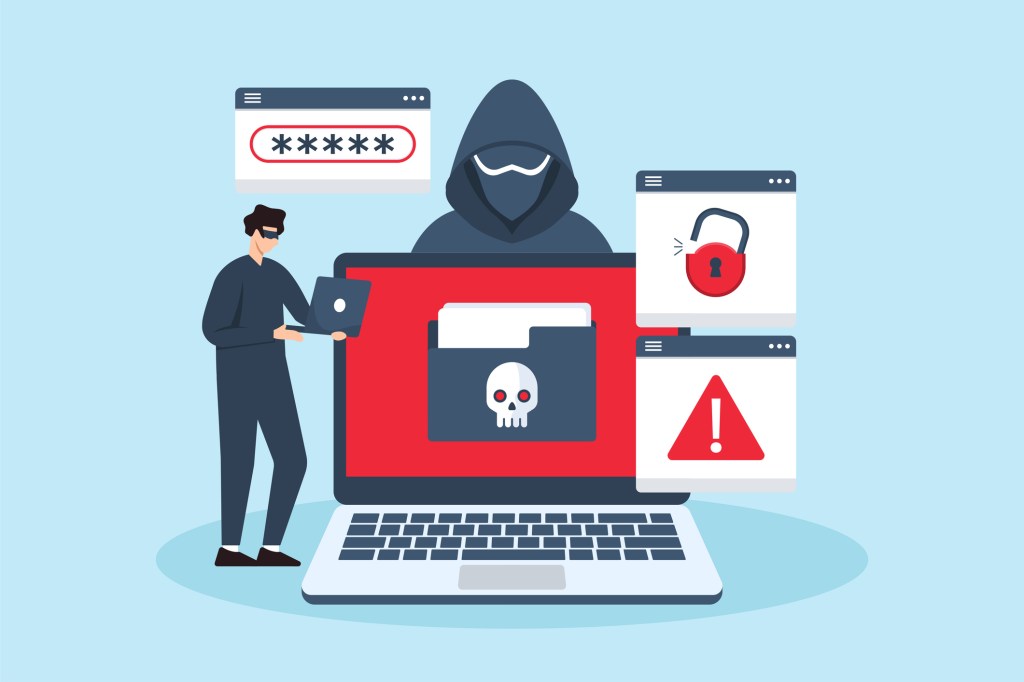
Ransomware attacks increasingly target small and mid-sized businesses (SMBs) due to their limited cybersecurity resources and outdated systems. Attackers find vulnerabilities in various entry points, leading to data breaches and ransom payments. Effective defense strategies include endpoint detection, strong access controls, prioritized patching, secured backups, and employee training, supported by specialized cybersecurity solutions like those…
-

Organizations face significant security challenges as human behavior plays a crucial role in breaches, often exceeding technology failures. A positive security culture, shaped by leadership, policy simplicity, supportive teams, and engaging training, is vital. Netizen provides advanced cybersecurity solutions and has established itself as a trusted partner for secure digital environments.
-
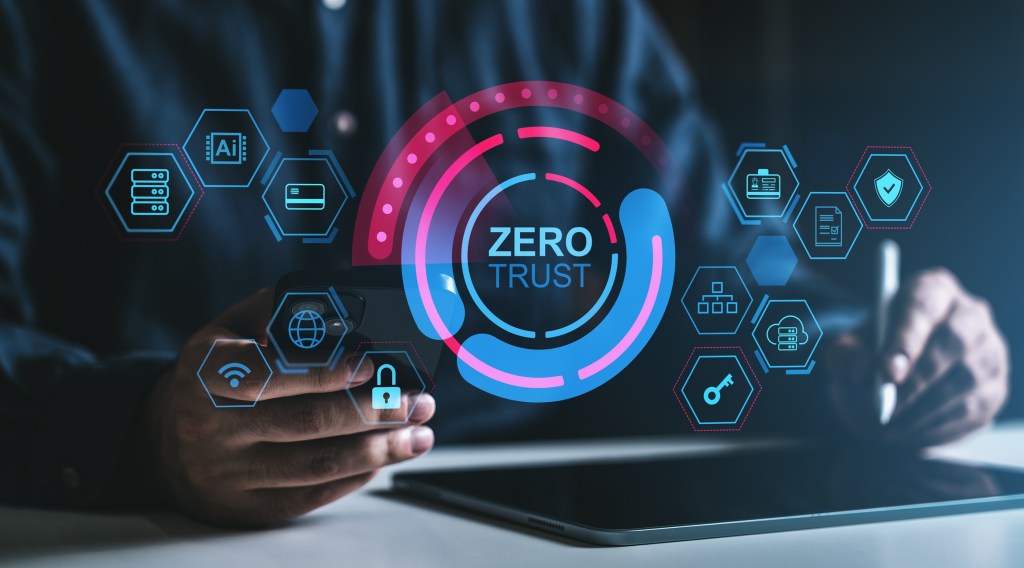
Zero Trust Network Access (ZTNA) is crucial for contemporary organizations, offering continuous verification and identity-centric access control to enhance security amid evolving cyber threats. Unlike traditional models, ZTNA minimizes lateral movement, reduces attack surfaces, and simplifies remote access. Integrating with SASE, ZTNA ensures only authorized users can access applications, fostering a secure environment.

