Category: Security
-
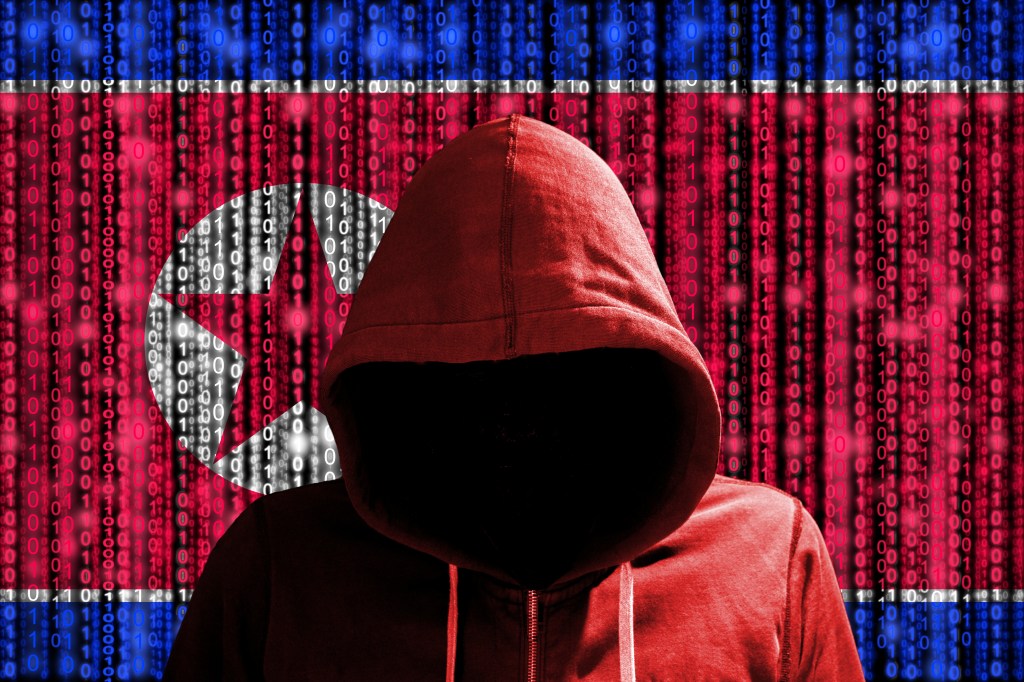
KnowBe4, a cybersecurity firm, faced a security breach involving a North Korean hacker posing as an employee. Although no data was compromised, the incident prompted tighter hiring and vetting processes. Organizations can prevent insider threats by implementing end-user training, UEBA tools, MFA, network segmentation, monitoring, incident response, and clear policies. Netizen offers advanced cybersecurity solutions…
-

Microsoft researchers discovered a critical vulnerability in ESXi hypervisors allowing ransomware operators to gain full admin access. Exploitation leads to encrypted file systems, affecting hosted servers and enabling data exfiltration. CVE-2024-37085 was disclosed to VMware, prompting a security update. Ransomware operators identified include Storm-0506 and Octo Tempest. Organizations are advised to apply security updates, enforce…
-

Switzerland has enacted EMBAG, mandating open-source software use in the public sector, promoting transparency and security. The US has a cautious approach due to security concerns, but may need to reassess. Open source fosters innovation, cost savings, and enhances security.
-

A DDoS attack caused a 10-hour global outage for Microsoft services, impacting various platforms and organizations. Chinese hackers targeted Japanese entities with advanced LODEINFO malware. Netizen offers advanced cybersecurity solutions, including “CISO-as-a-Service” and automated assessment tools for continuous system scanning and risk analysis, ensuring robust protection for businesses.
-

This content covers phishing tactics targeting Amazon users, EU scrutiny of Meta, and a federal recovery from a CrowdStrike outage. It advises caution with unsolicited links and attachments, scrutinizing messages, and not divulging personal information online. It also highlights Netizen’s cybersecurity solutions including CISO-as-a-Service and vulnerability assessments.
-

Netizen’s Security Operations Center (SOC) has identified five critical vulnerabilities from July that require immediate patching or remediation. These include high-severity issues in Microsoft’s Windows Hyper-V, SharePoint, Rejetto HTTP File Server, Azure Kinect SDK, and OpenSSH. Netizen provides advanced security solutions and services, including compliance support, vulnerability assessments, and automated assessment tools.
-

A Spanish-speaking cybercrime group named GXC Team has been observed elevating the standard of phishing attacks by bundling phishing kits with malicious Android applications. This innovative approach has taken malware-as-a-service (MaaS) offerings to the next level. Singaporean cybersecurity firm Group-IB has been tracking this e-crime actor since January 2023, describing their solution as a “sophisticated…
-

The Federal Bureau of Investigation (FBI) has announced the successful execution of Operation Endgame, a groundbreaking multinational cyber operation aimed at dismantling a sophisticated network of cybercriminals. This unprecedented initiative involved coordinated efforts from law enforcement agencies across the United States, Denmark, France, Germany, the Netherlands, the United Kingdom, and other countries, with crucial support…
-

In recent developments, a significant vulnerability has been identified in ARM’s Memory Tagging Extension (MTE), a security feature designed to mitigate memory corruption issues in the ARMv8.5-A architecture. This vulnerability exploits speculative execution, a performance optimization feature in modern CPUs, to bypass MTE’s protections and leak sensitive information. Understanding Memory Tagging Execution (MTE) MTE aims…
-

In June 2024, CDK Global, a crucial software provider for auto dealerships, experienced a severe cyberattack by the ransomware group BlackSuit. The attack began on June 19 and led to the shutdown of CDK’s systems until July 5, significantly impacting dealership operations across North America. This incident left approximately half of the nation’s car dealerships…

