Netizen Blog and News
The Netizen team sharing expertise, insights and useful information in cybersecurity, compliance, and software assurance.
Category: Security
-

Security vulnerabilities are prevalent in organizational security. Netizen’s SOC identifies and compiles critical vulnerabilities from April, urging immediate patching. Vulnerabilities include Microsoft SmartScreen Bypass, Proxy Driver Spoofing, RPC Runtime Code Execution, Azure AI Search Information Disclosure, and Oracle Workflow access. Netizen offers advanced security solutions and compliance support for businesses.
-

The cyber warfare landscape in Ukraine is experiencing a surge in attacks, targeting military personnel and critical infrastructure. Researchers uncovered an operation using a seven-year-old flaw in Microsoft Office to distribute malware disguised as a Signal app file. Ukrainian armed forces are increasingly targeted through messaging and dating platforms, necessitating enhanced cybersecurity measures.
-
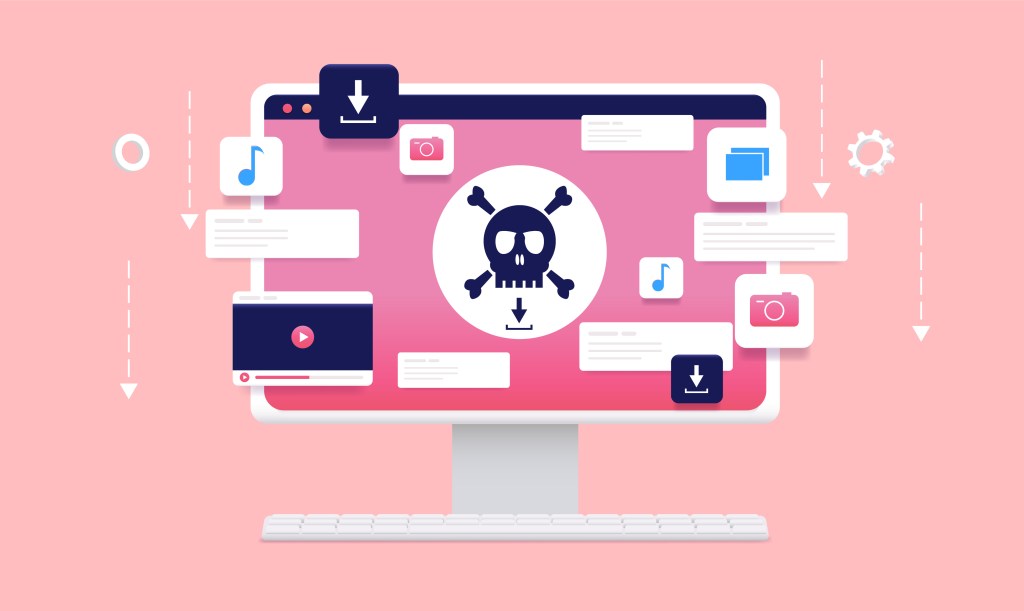
The evolution of software piracy dates back to the 1970s, with the use of cracks and keygens to unlock paid software. However, this practice is illegal and poses cybersecurity risks, leading to severe legal and ethical consequences. To combat software piracy, organizations and individuals should prioritize ethical software practices and consider proactive cybersecurity measures.
-

In early 2024, Cisco and Cisco Talos uncovered the ArcaneDoor cyber-espionage campaign targeting specific Cisco devices. Exploiting critical vulnerabilities, the attackers deployed malware, executed unauthorized commands, and potentially exfiltrated data. Cisco advised firmware upgrades, forensic investigations, and network security measures to mitigate the threats.
-

Organizations enhance their information security with Penetration Testing (Pen Testing) and Vulnerability Assessments (VAs). VAs identify and rank vulnerabilities, aiding in prioritizing remediation. VM goes beyond VAs, involving asset discovery, consistent scanning, patch management, and risk assessment. On the other hand, Pen Testing actively exploits vulnerabilities to assess potential damage. Netizen offers comprehensive security solutions…
-

A data scraping service known as Spy Pet has sparked privacy concerns by selling extensive user data from Discord. With a claimed 600 million user database, Spy Pet offers user profiles and activity details for a minimal fee. Discord is actively investigating the matter. The incident emphasizes the need for clearer regulations protecting user privacy.
-

Telegram addressed a critical security issue in its Windows desktop app, debunking initial rumors of a zero-click flaw. After a typo in the code enabled Python scripts to run without warning, exploiters disguised them as videos. Telegram swiftly fixed the issue and plans to enhance security for future versions.
-

CVE-2024-31497 is a critical vulnerability in PuTTY SSH client versions 0.68 to 0.80, allowing recovery of a user’s private key due to biased nonce generation. Attackers can exploit this, posing serious threats. Several applications are also affected. Users must upgrade, revoke vulnerable keys, and update dependent applications to mitigate the risk and prevent breaches.
-

Palo Alto Networks has released critical updates to fix a zero-day vulnerability (CVE-2024-3400) in its firewall operating system PAN-OS. The flaw allows unauthenticated attackers to gain root access through command injection in the GlobalProtect gateway/portal. Hotfixes are available, and customers are advised to apply mitigation measures. The U.S. CISA has also mandated actions to address…
-

A new “Loop DoS” attack exploits UDP-based application-layer protocols, potentially affecting thousands of systems. It involves servers engaging in continuous communication, depleting their resources and rendering them unresponsive. Despite no reported real-world instances, an estimated 300,000 hosts could be exploited. Initiatives like BCP38 filtering spoofed traffic aim to mitigate risks.
 Netizen Blog and News