Category: Security
-

The U.S. DoJ and Microsoft seized 107 Russian cybercrime domains linked to COLDRIVER, disrupting phishing schemes targeting U.S. officials. Additionally, Apple addressed critical security vulnerabilities in iOS and iPadOS related to VoiceOver and iPhone 16 audio, urging users to update their devices to enhance security. Netizen offers cybersecurity solutions to mitigate risks.
-

On June 11, 2024, researchers exposed serious vulnerabilities in Kia vehicles enabling remote control via a license plate. Attackers could access personal data and vehicle functions in under 30 seconds. While Kia addressed these flaws, the incident underscores significant automotive cybersecurity issues and the risks of unauthorized access to sensitive information.
-

In 2024, cyber attacks have surged, averaging 1,308 weekly, a 28% increase from late 2023. Cybercrime losses reached $12.8 billion in 2023, with predictions of $23.84 trillion by 2027. Organizations face rising insider threats and ransomware challenges, emphasizing the need for comprehensive cybersecurity strategies and employee training to mitigate risks.
-

Microsoft has revamped the Windows Recall feature, addressing prior privacy concerns by enhancing data security and making it optional for users. Meanwhile, Patelco Credit Union faced a ransomware breach affecting over 1 million members, compromising personal information. The credit union offers free credit monitoring to impacted individuals while investigating the attack.
-

September revealed four critical vulnerabilities related to CUPS, necessitating immediate patching. CVE-2024-47176, CVE-2024-47076, CVE-2024-47175, and CVE-2024-47177 all pose significant risks, including remote code execution and integrity compromise. Organizations are urged to apply patches promptly to safeguard their systems against potential attacks and associated threats.
-

The content discusses various cybersecurity concerns, including persistent phishing scams that exploit urgency and social engineering to trick users. It highlights the emerging threat of AI-generated malware that lowers entry barriers for novice hackers. Additionally, CrowdStrike apologizes for a significant system crash due to internal issues, promising improved update controls.
-
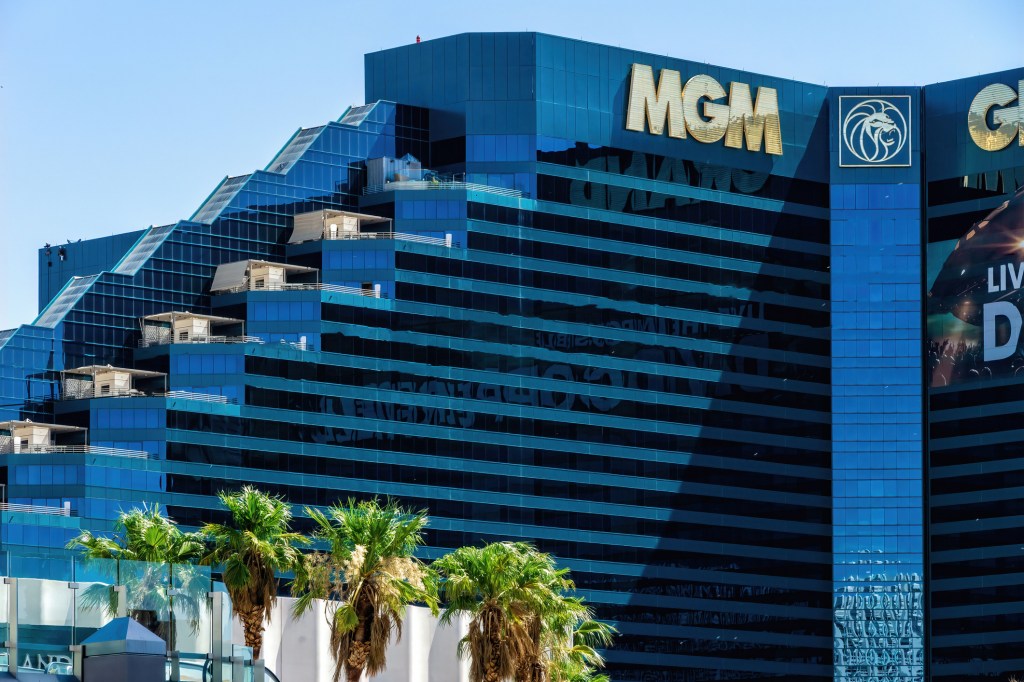
In 2023, significant cyberattacks on MGM Resorts and other Las Vegas casinos highlighted a partnership between U.S./U.K. hackers and Russian ransomware groups. Young hackers participate in harmful online communities, leading to real-world violence and exploitation of teenagers. Authorities have arrested key figures, revealing a troubling overlap between cybercrime and physical harm, necessitating urgent intervention.
-
Windows 11 aims to redefine how anti-malware tools interact with the Windows kernel to enhance system resilience and security following a disruptive IT incident. Meanwhile, the Hadooken malware targets Linux systems with cryptocurrency mining and DDoS attacks, requiring vigilance and mitigation efforts. Netizen offers advanced security solutions, including CISO-as-a-Service, compliance support, and automated vulnerability assessment…
-

Insider threats pose a significant risk to organizations, involving misuse of legitimate access. The Netizen Insider Threat Kill Chain offers a structured approach, highlighting key phases and strategies for effective management. To address common security gaps, a comprehensive approach integrating behavioral analytics, user activity monitoring, and data loss prevention is crucial. Netizen provides advanced solutions,…
-

Windows 11 aims to redefine how anti-malware tools interact with the Windows kernel to enhance system resilience and security following a disruptive IT incident. Meanwhile, the Hadooken malware targets Linux systems with cryptocurrency mining and DDoS attacks, requiring vigilance and mitigation efforts. Netizen offers advanced security solutions, including CISO-as-a-Service, compliance support, and automated vulnerability assessment…
 Netizen Blog and News