Netizen Blog and News
The Netizen team sharing expertise, insights and useful information in cybersecurity, compliance, and software assurance.
recent posts
- SOCaaS for Organizations Without a CISO
- Iran-Linked Group Claims Cyberattack on U.S. Medical Technology Company Stryker
- Microsoft March 2026 Patch Tuesday Fixes 79 Flaws, Including Two Publicly Disclosed Zero-Days
- Netizen: Monday Security Brief (3/9/2026)
- EDR Integration in SOCaaS: The Control Point That Matters
about
Category: Security
-
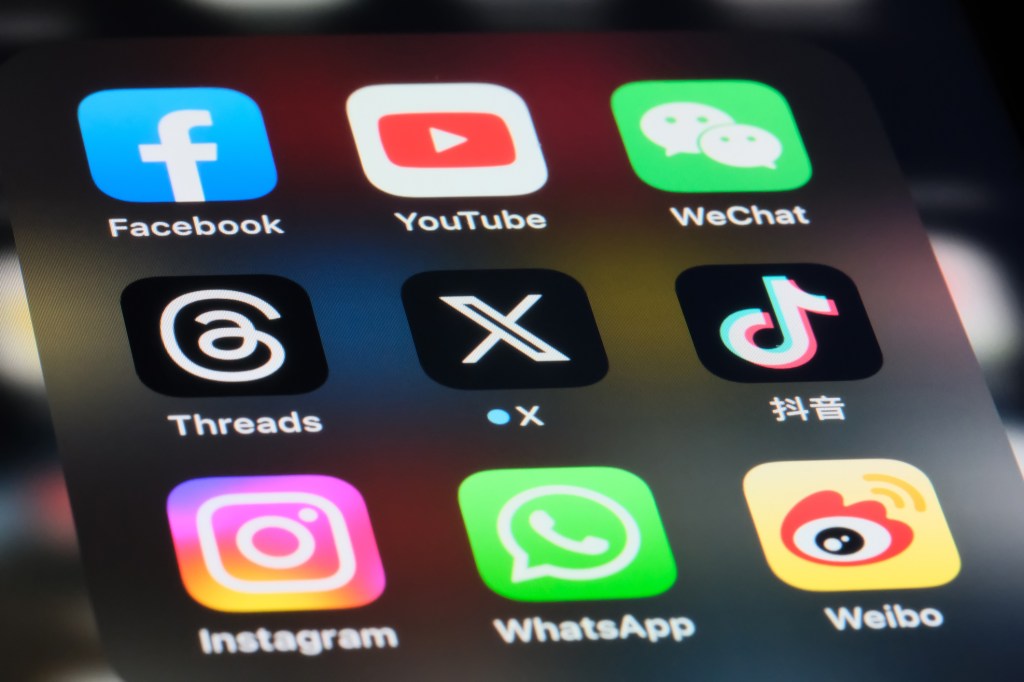
On March 10, Elon Musk’s X platform experienced outages due to a DDoS attack claimed by the pro-Palestinian group Dark Storm. The attack highlighted vulnerabilities in X’s cyber defenses and reflected ongoing geopolitical tensions. Netizen aims to strengthen cybersecurity through comprehensive services and solutions for businesses, emphasizing proactive security measures.
-

Security researchers have identified hidden commands in the widely used ESP32 Bluetooth chip, posing threats like device impersonation and unauthorized data access. Concurrently, U.S. cities are experiencing a surge in phishing scams related to parking tickets, urging vigilance among residents to avoid falling victim. Comprehensive security measures and awareness are essential.
-

Microsoft has revealed the Storm-2139 cybercrime network, exploiting Azure OpenAI services for malicious activities. The group uses stolen credentials to generate harmful content, prompting Microsoft to pursue legal action. Additionally, a Chinese hacking group exploited a VPN vulnerability to breach operational technology organizations globally, highlighting a critical need for enhanced cybersecurity measures.
-

Security vulnerabilities pose ongoing challenges for organizational security. Netizen’s Security Operations Center has highlighted five critical vulnerabilities from February 2025 that require immediate attention. These include CVE-2025-21391 and CVE-2025-21418, both high-severity elevation of privilege flaws affecting Windows systems; CVE-2025-21376, a high-risk remote code execution vulnerability; CVE-2025-21377, a medium-severity NTLM hash disclosure; and CVE-2025-21381, a high-severity…
-

Bybit experienced a $1.5 billion cryptocurrency heist linked to North Korea’s Lazarus Group, exploiting a vulnerability in its asset transfer process. Separately, DISA Global Solutions revealed a data breach exposing personal information of 3.3 million users. Netizen offers cybersecurity solutions, including assessments and compliance support, to enhance organizational defenses.
-

Google Cloud has introduced quantum-safe digital signatures in its Cloud KMS, addressing post-quantum cryptographic security. This move, alongside Microsoft’s Majorana 1 chip advancement, highlights the urgency for organizations to adopt quantum-resistant encryption. Experts warn that the potential of quantum computing necessitates immediate migration to post-quantum cryptography to safeguard critical data.
-

Apple has discontinued its Advanced Data Protection feature for iCloud in the UK due to a government order for backdoor access. While existing users can access the feature temporarily, it will be phased out. Apple opposes government surveillance and emphasizes data security amidst growing privacy concerns. Other features remain encrypted.
-

The Department of Defense (DoD) utilizes two key networks: SIPRNet for classified information and NIPRNet for unclassified data. SIPRNet ensures secure communication with stringent access controls for sensitive information, while NIPRNet facilitates broader communication needs by handling non-sensitive information with adequate security measures. Both are vital for operational effectiveness.
-

A new malware campaign targets macOS users through fake browser update prompts, distributing FrigidStealer. This campaign also affects Windows and Android users. Cybercriminals utilize compromised websites to inject malicious JavaScript, requiring user interaction to install malware. Security teams need to enhance detection, endpoint protection, and user awareness to counter this threat effectively.
-

Cybercriminals are exploiting a critical vulnerability (CVE-2024-53704) in SonicWall firewalls, enabling unauthorized access to corporate networks after a proof-of-concept was released. Meanwhile, the Chinese APT group Mustang Panda targets a new unpatched Windows zero-day vulnerability, raising concerns over security and espionage risks for organizations worldwide. Immediate action is urged.
 Netizen Blog and News