Netizen Blog and News
The Netizen team sharing expertise, insights and useful information in cybersecurity, compliance, and software assurance.
Category: Government
-

CISA identified the CVE-2021-26829 vulnerability in OpenPLC ScadaBR as actively exploited, linking it to attacks by the pro-Russian group TwoNet. North Korean operators have also uploaded malicious npm packages, continuing their Contagious Interview campaign. Netizen offers advanced cybersecurity services, positioning itself as a trusted partner for sensitive organizations.
-

CISA has mandated federal agencies to address a critical VMware Tools vulnerability exploited by Chinese state hackers. Additionally, a report has uncovered a YouTube campaign that used over 3,000 malware-laden videos to disseminate credential-stealing software.
-

Recent cyber threats include a flaw in 7-Zip’s symbolic link processing, tracked as CVE-2025-11001, and a Salesforce supply-chain breach involving Gainsight, which allowed OAuth token theft. Organizations are encouraged to update software and establish clear access policies for third-party integrations to mitigate risks and enhance cybersecurity. Netizen offers solutions for secure IT infrastructure.
-

As CMMC 2.0 is implemented, defense contractors must assess how previous compliance efforts can aid their efforts. While there’s no blanket reciprocity, existing documentation from frameworks like ISO and FedRAMP can support CMMC readiness. A structured approach to documentation and inherited controls is crucial for effective compliance.
-

In September 2025, AI-driven cyber espionage was revealed as a significant global threat, with a Chinese group autonomously infiltrating organizations using Anthropic’s Claude Code model. Concurrently, Amazon identified attacks exploiting zero-day vulnerabilities in Cisco and Citrix systems, emphasizing the need for enhanced network security and monitoring against advanced threats in identity infrastructures.
-
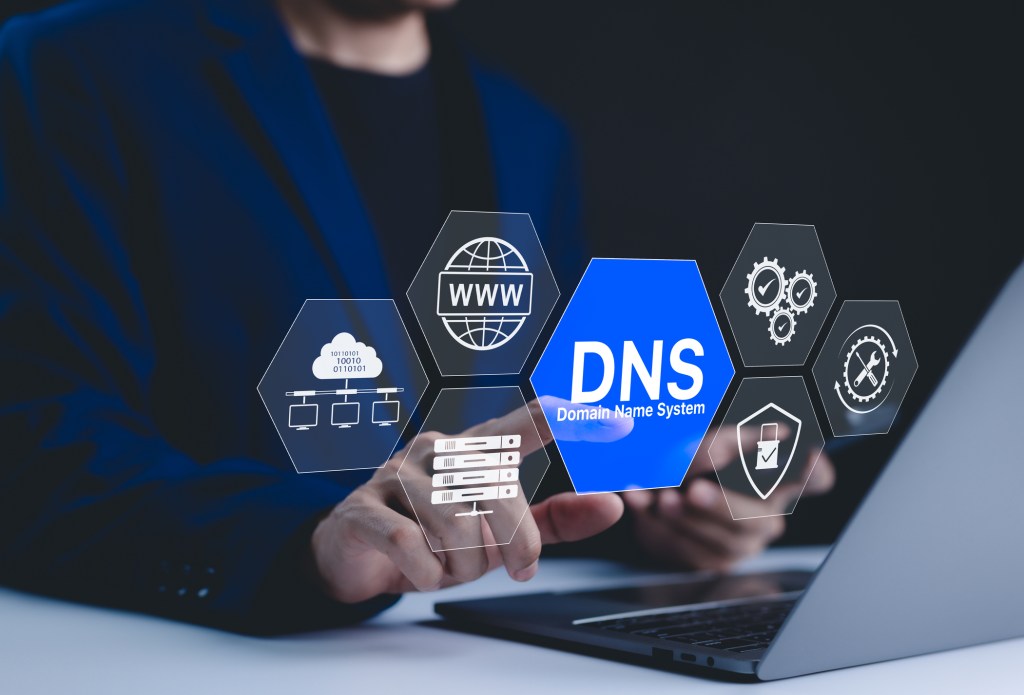
DNS security, often overlooked in cybersecurity discussions, is critical as it translates URLs into IP addresses. Attackers exploit its trust-based system through various methods, such as hijacking and tunneling. Organizations must enhance DNS defenses by implementing DNSSEC, monitoring traffic, and ensuring compliance with frameworks like CMMC 2.0 to safeguard sensitive information.
-

A new wave of phishing attacks, utilizing ClickFix pages and PureRAT malware, targets hotel booking accounts, compromising systems and stealing credentials. Microsoft warns about Whisper Leak, a privacy threat that exposes AI chatbot conversation topics despite encryption. Businesses are urged to bolster cybersecurity and assess their defenses against these threats.
-

Cyber risk management has evolved, necessitating Continuous Threat Exposure Management (CTEM) to address modern challenges. CTEM proactively identifies, validates, and mitigates digital exposures across various environments. It extends beyond traditional vulnerability management by encompassing all risk factors, enhancing governance, risk, and compliance programs, and fostering ongoing organizational resilience against evolving threats.
-

Federal Contractor Information (FCI) and Controlled Unclassified Information (CUI) are sensitive data types requiring strict handling and security measures under U.S. regulations. Effective compliance involves isolating these data within designated enclaves, optimizing security, and simplifying the regulatory burden. Organizations must strategically manage data flows and continuously monitor compliance to remain competitive.
-
The expiration of the Cybersecurity Information Sharing Act (CISA) disrupts the legal framework for threat intelligence sharing, leading organizations to reevaluate their collaboration strategies. Without CISA’s protections, companies face new privacy and liability challenges, prompting a shift toward privacy engineering, enhanced vendor scrutiny, and a need for stronger governance to maintain effective information exchange.
 Netizen Blog and News