Category: Government
-

Velvet Ant, a Chinese cyberespionage group, used custom malware to target F5 BIG-IP appliances in a campaign aiming to breach and persist within networks. They accessed internal servers, deployed remote access tools, and maintained access for three years. To mitigate such attacks, organizations should limit outbound internet traffic, restrict lateral movement, and enhance security hardening…
-

In today’s tech-driven business landscape, cybersecurity is paramount. A Virtual Chief Information Security Officer (vCISO) plays a crucial role in managing and enhancing an organization’s cybersecurity program, offering expertise without the need for a full-time, on-site CISO. Their cost-effectiveness and flexibility make them vital for businesses of all sizes, especially in the face of growing…
-

London authorities recently uncovered a sophisticated smishing scheme using a makeshift cellphone tower to send malicious text messages, marking an alarming escalation in digital fraud. Two arrests have been made, emphasizing the need for collaborative efforts to combat cybercrime. Public vigilance and proactive measures are urged, such as avoiding clicking links and reporting suspicious messages.
-

The Department of Defense (DoD) is poised to launch the Cybersecurity Maturity Model Certification (CMMC) version 2.0 by early 2025, a significant upgrade aimed at fortifying the cybersecurity defenses of the defense industrial base while addressing criticisms leveled at the original CMMC 1.0. Streamlining Cybersecurity Requirements The CMMC 2.0 initiative introduces a streamlined, three-tiered certification…
-

Phishing attacks have become a growing concern in recent years, with cybercriminals employing increasingly sophisticated methods to access sensitive corporate data. These attacks typically involve deceiving users into clicking on malicious links or opening harmful attachments, leading to the theft of sensitive information or the compromise of corporate systems. This article explores the benefits of…
-
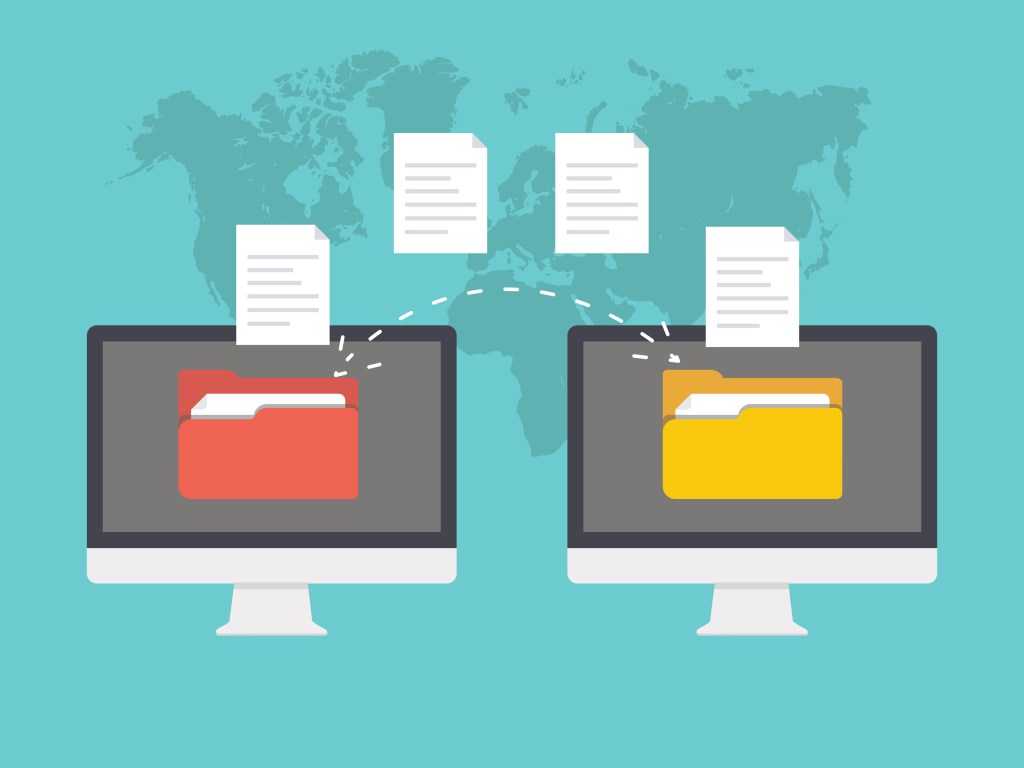
Federal agencies are enhancing data routing security measures to protect against cyberattacks. By implementing the Border Gateway Protocol (BGP) and leveraging encryption frameworks like RPKI, they aim to thwart hijacking attempts. National Cyber Director Harry Coker emphasized the importance of cybersecurity partnerships and addressed the need to secure space systems and build a robust cybersecurity…
-

Overview: Phish Tale of the Week Critical Security Flaws Exposed in Popular WordPress Plugin Slider Revolution Thousands of Computers at Risk: Backdoor Found in Justice AV Solutions Viewer Software How can Netizen help? Phish Tale of the Week Often times phishing campaigns, created by malicious actors, target users by utilizing social engineering. For example, in…
-
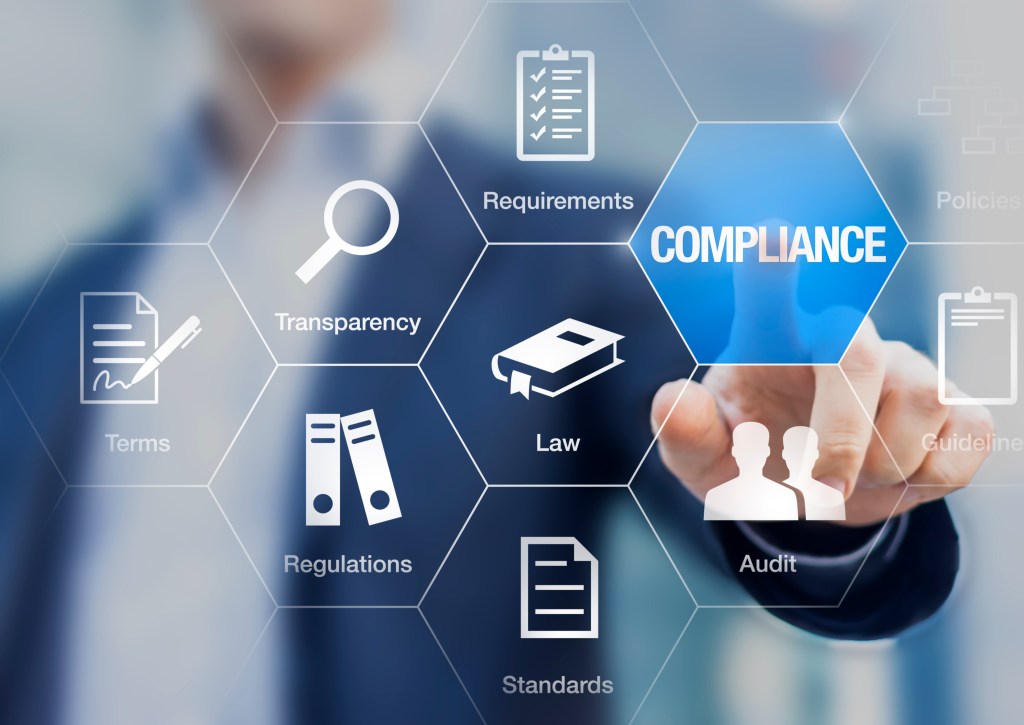
In the intricate landscape of modern business, adhering to regulatory compliance standards is not just an obligation; it’s a critical component of sustainable operation. The challenge, however, lies in the relentless evolution of these regulations and the complexity of ensuring consistent compliance across all facets of an organization. To effectively manage this complexity and uphold…
-
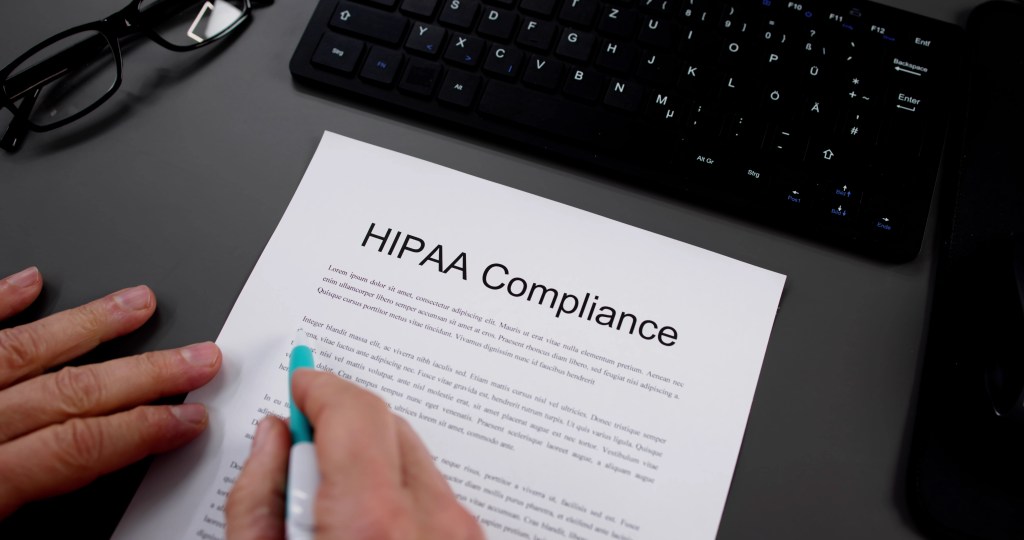
The HIPAA Privacy Rule, issued by the U.S. Department of Health and Human Services, sets national standards to protect individuals’ medical records and health information. It applies to health plans, providers, and clearinghouses. Covered entities must comply with administrative measures, ensure data safeguards, and respect individual rights. Non-compliance can result in significant penalties.
-

Artificial Intelligence (AI) is undergoing a remarkable evolution within the federal government, driven by an increasing reliance on technology to enhance public administration and national security. The surge in generative AI since 2022 has marked a pivotal shift, fundamentally altering how the government operates and delivers services. Accelerated AI Project Timelines and Increased Efficiency Recent…

