Netizen Blog and News
The Netizen team sharing expertise, insights and useful information in cybersecurity, compliance, and software assurance.
recent posts
- Iran-Linked Group Claims Cyberattack on U.S. Medical Technology Company Stryker
- Microsoft March 2026 Patch Tuesday Fixes 79 Flaws, Including Two Publicly Disclosed Zero-Days
- Netizen: Monday Security Brief (3/9/2026)
- EDR Integration in SOCaaS: The Control Point That Matters
- Conditional Access vs Zero Trust: What’s the Difference?
about
Category: Government
-

Microsoft’s April 2025 Patch Tuesday addresses 134 vulnerabilities, including one high-risk zero-day flaw exploited by ransomware. Critical updates target remote code execution issues in essential services. Users should prioritize patching systems, especially Windows Server and Windows 11, and monitor for forthcoming updates for Windows 10 due to ongoing threats.
-

A recently disclosed WinRAR vulnerability (CVE-2025-31334) allows attackers to bypass Windows’ Mark of the Web protections, enabling silent code execution from downloaded archives. Additionally, a malicious Python package for validating stolen credit cards was downloaded over 34,000 times, illustrating ongoing cybercrime exploitation of open-source platforms. Security upgrades and monitoring are advised.
-
Today’s Topics: Critical Vulnerability in Firefox Mirrors Chrome’s Exploited Zero-Day Mozilla has released security updates for its Firefox browser on Windows to patch a critical vulnerability, CVE-2025-2857. This flaw, which could allow attackers to escape the browser’s sandbox, was discovered shortly after Google addressed a similar vulnerability (CVE-2025-2783) in Chrome that had been actively exploited…
-

The content discusses recent cybersecurity threats, including a phishing attack impersonating Coinbase and an alleged Oracle Cloud breach claiming to expose data of 6 million users. It also highlights a Windows zero-day vulnerability risking NTLM credentials. Recommendations emphasize vigilance against phishing and adopting stronger authentication methods to enhance security.
-
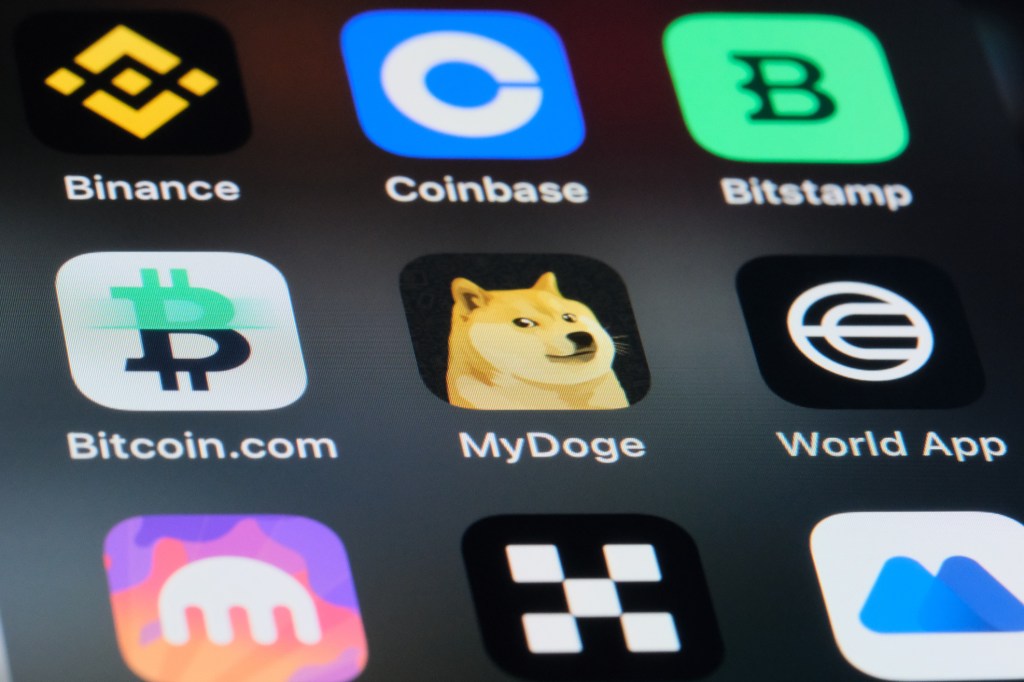
Coinbase experienced a sophisticated supply chain attack affecting 218 GitHub repositories due to a compromised GitHub Action. Although sensitive assets were not exploited, the breach highlights vulnerabilities in open-source repositories. Meanwhile, the FBI warns of malicious online file converters that steal information and spread malware. Users should verify sources and maintain cyber hygiene.
-

The Command Cyber Readiness Inspection (CCRI) evolved into the Cyber Operational Readiness Assessment (CORA) in March 2024, adapting to dynamic cybersecurity threats. CORA emphasizes continuous, risk-based evaluations of DoD entities’ cybersecurity, focusing on operational readiness, information assurance, and computer network defense while improving resilience and security across the Department of Defense’s information networks.
-

The Cybersecurity Maturity Model Certification (CMMC) was created to establish a uniform standard for cybersecurity practices, specifically targeting organizations within the Defense Industrial Base (DIB). This model ensures that entities handling sensitive data, including Controlled Unclassified Information (CUI), Critical Technology Information (CTI), Federal Contract Information (FCI), and ITAR data, are able to safeguard such information…
-

A phishing campaign targeting around 12,000 GitHub repositories employs fake “Security Alert” messages to deceive developers into authorizing a malicious OAuth app, risking full account compromise. Simultaneously, a newly disclosed Apache Tomcat vulnerability (CVE-2025-24813) is being exploited for remote code execution, threatening multiple versions. Immediate vigilance and updates are essential.
-
Microsoft’s March 2025 Patch Tuesday addresses 57 vulnerabilities, notably six actively exploited zero-days. Key issues include critical remote code execution flaws and information disclosure vulnerabilities involving Windows NTFS. Users are urged to apply updates urgently to safeguard against exploitation. For further assistance, consulting IT security teams is recommended.
-

On March 10, Elon Musk’s X platform experienced outages due to a DDoS attack claimed by the pro-Palestinian group Dark Storm. The attack highlighted vulnerabilities in X’s cyber defenses and reflected ongoing geopolitical tensions. Netizen aims to strengthen cybersecurity through comprehensive services and solutions for businesses, emphasizing proactive security measures.
 Netizen Blog and News