Netizen Blog and News
The Netizen team sharing expertise, insights and useful information in cybersecurity, compliance, and software assurance.
recent posts
about
Category: Government IT
-

Threat actors are increasingly weaponizing AI for ransomware attacks, utilizing tools like Claude Code for reconnaissance and extortion. The recent CVE-2025-42957 vulnerability in SAP S/4HANA allows minimal-access users to exploit the system, leading to severe data breaches. Netizen offers solutions for enhanced cybersecurity and operational support for vulnerable clients.
-
ISO/IEC 27001 is a vital framework for effective information security management, emphasizing a structured approach that integrates people, processes, and technology. Certification offers organizations strengthened security, increased client trust, competitive advantages, cost savings, and streamlined compliance. This cultural shift promotes a security-first mindset, enhancing resilience and operational integration across all departments.
-

Iranian hackers have maintained prolonged access to Middle East critical infrastructure through VPN exploits and malware, leveraging vulnerabilities in popular VPNs. Recent vulnerabilities in Citrix and SAP GUI have exposed sensitive data, prompting calls for immediate updates and mitigation strategies. Organizations must adopt robust cybersecurity measures for protection against these threats.
-

Docker has patched a critical container escape vulnerability (CVE-2025-9074) in Docker Desktop, allowing an attacker to break out of container isolation. Meanwhile, a new Linux malware technique uses RAR filenames to deploy the VShell backdoor, exploiting filename parsing for stealth. Organizations are urged to enhance security measures and update software immediately.
-
Technology’s integral role in business makes cybersecurity essential. A Virtual Chief Information Security Officer (vCISO) offers strategic cybersecurity guidance remotely, helping organizations enhance security, ensure compliance, and manage risks without the expense of a full-time hire. Demand for vCISOs has grown due to escalating cyber threats and operational flexibility.
-
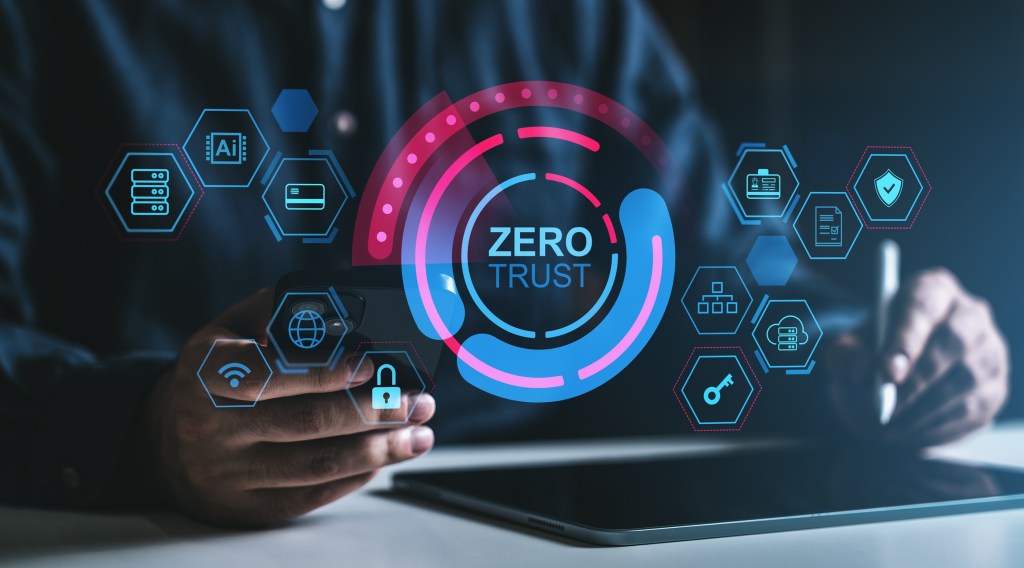
Zero Trust Network Access (ZTNA) is crucial for contemporary organizations, offering continuous verification and identity-centric access control to enhance security amid evolving cyber threats. Unlike traditional models, ZTNA minimizes lateral movement, reduces attack surfaces, and simplifies remote access. Integrating with SASE, ZTNA ensures only authorized users can access applications, fostering a secure environment.
-

SafeBreach researchers revealed a new attack method, “Win-DDoS,” that exploits Windows Domain Controllers for large-scale DDoS attacks without malware. Concurrently, cybercriminals increasingly target smart contracts, capturing over $14 billion since 2020 through vulnerabilities. To counteract these threats, expert recommendations include auditing contracts and maintaining comprehensive cybersecurity measures.
-

Federal agencies are shifting to Zero Trust cybersecurity due to the inadequacy of traditional perimeter defenses in decentralized environments. Executive Order 14028 mandates this transition by 2024, emphasizing identity management, adaptive access, and integration across security pillars. Agencies must avoid siloed implementations to ensure effective protection and compliance in dynamic work environments.
-

The RomCom threat group exploits a WinRAR zero-day vulnerability for targeted cyberespionage against organizations in Europe and Canada. Over 29,000 unpatched Microsoft Exchange servers are also at risk from a severe hybrid cloud exploit. ESET and CISA emphasize prompt updates and heightened security measures to mitigate these threats effectively.
-

Recent security alerts highlight a Linux backdoor called Plague that stealthily compromises systems by abusing the PAM framework, allowing unauthorized access and credential theft. Additionally, Akira ransomware targets SonicWall VPNs, exploiting likely zero-day vulnerabilities. Organizations are urged to enhance security monitoring and limit access to prevent such threats.
 Netizen Blog and News