Category: Government IT
-
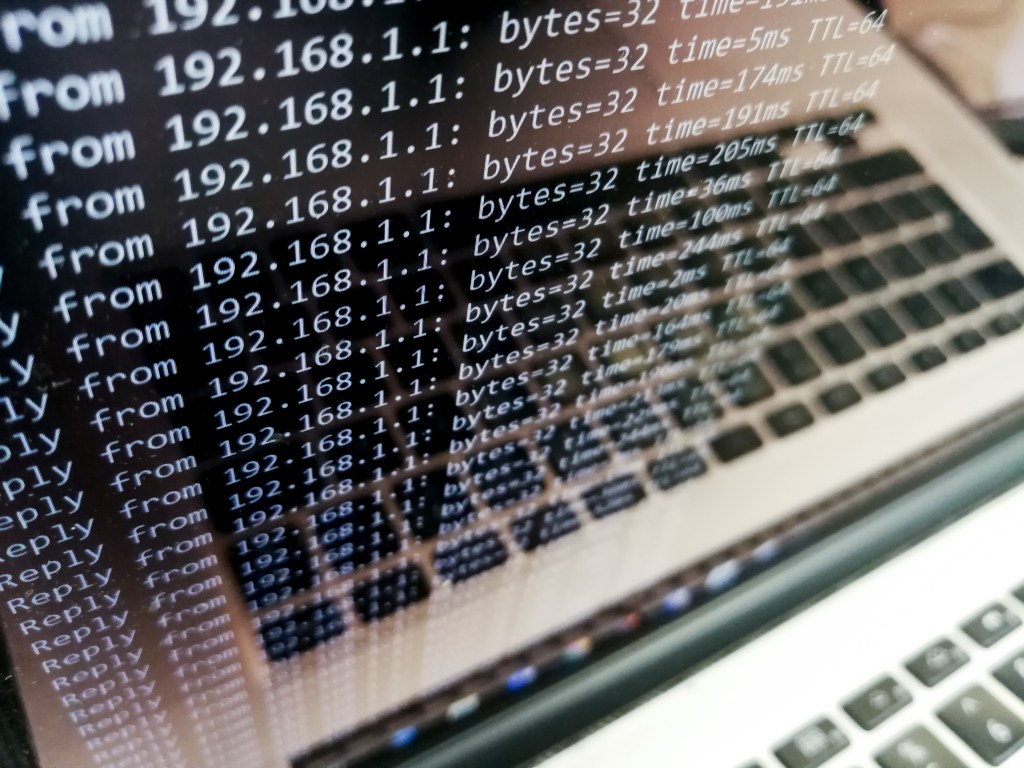
DDoS attacks are a significant threat to internet security that disrupt normal traffic by overwhelming servers. Identifying and mitigating DDoS attacks is crucial. Detection involves monitoring traffic patterns, analyzing sources, and using Intrusion Detection Systems. Mitigation strategies include blackhole routing, rate limiting, Web Application Firewall, and Anycast network diffusion. Netizen offers advanced security solutions and…
-

A recent Windows zero-day vulnerability (CVE-2024-38193) was exploited by North Korea’s Lazarus APT group, allowing the installation of the FudModule rootkit. This advanced breach highlights the urgent need for organizations to apply patches promptly and strengthen their security measures to combat increasingly sophisticated cyber threats. Netizen offers advanced security solutions and support services.
-

OpenAI recently shut down an Iranian influence campaign called Storm-2035, using ChatGPT to sway opinions on US political issues and global events. Flint, Michigan suffered a ransomware attack, affecting online services. Amid these challenges, Netizen offers advanced security solutions, compliance support, and automated assessment tools to protect IT infrastructure and mitigate risks.
-

Firewalls are essential for data protection. Next Generation Firewalls (NGFWs) go beyond traditional firewalls, offering advanced features like application control, intrusion prevention, and cloud-delivered threat intelligence. NGFWs provide comprehensive security, addressing modern cyber threats effectively. While traditional firewalls have their place, NGFWs are superior for robust network protection in today’s digital landscape.
-

A cybersecurity breach at National Public Data has exposed 2.7 billion records of US citizens, leading to a class-action lawsuit. The lawsuit argues the company failed to protect personal information and benefited economically from collecting it. Malicious browser extensions have also been identified as a new vector for malware distribution, affecting at least 300,000 users.…
-

The Policy Enforcement Point (PEP) is a crucial part of the Attribute-Based Access Control (ABAC) architecture, ensuring consistent access control and security for enterprise data. It intercepts user requests, evaluates attributes, and communicates with the Policy Decision Point (PDP) to determine access, providing robust security for modern applications.
-

Switzerland has enacted EMBAG, mandating open-source software use in the public sector, promoting transparency and security. The US has a cautious approach due to security concerns, but may need to reassess. Open source fosters innovation, cost savings, and enhances security.
-

A DDoS attack caused a 10-hour global outage for Microsoft services, impacting various platforms and organizations. Chinese hackers targeted Japanese entities with advanced LODEINFO malware. Netizen offers advanced cybersecurity solutions, including “CISO-as-a-Service” and automated assessment tools for continuous system scanning and risk analysis, ensuring robust protection for businesses.
-

This content covers phishing tactics targeting Amazon users, EU scrutiny of Meta, and a federal recovery from a CrowdStrike outage. It advises caution with unsolicited links and attachments, scrutinizing messages, and not divulging personal information online. It also highlights Netizen’s cybersecurity solutions including CISO-as-a-Service and vulnerability assessments.
-
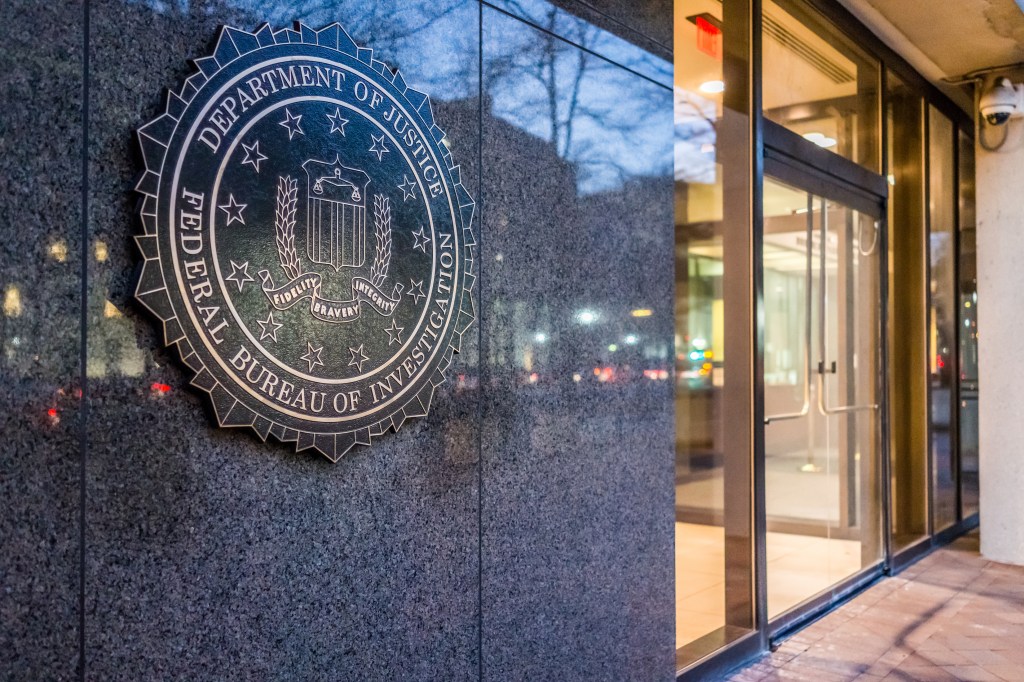
The Federal Bureau of Investigation (FBI) has announced the successful execution of Operation Endgame, a groundbreaking multinational cyber operation aimed at dismantling a sophisticated network of cybercriminals. This unprecedented initiative involved coordinated efforts from law enforcement agencies across the United States, Denmark, France, Germany, the Netherlands, the United Kingdom, and other countries, with crucial support…

