Netizen Blog and News
The Netizen team sharing expertise, insights and useful information in cybersecurity, compliance, and software assurance.
Category: Government IT
-
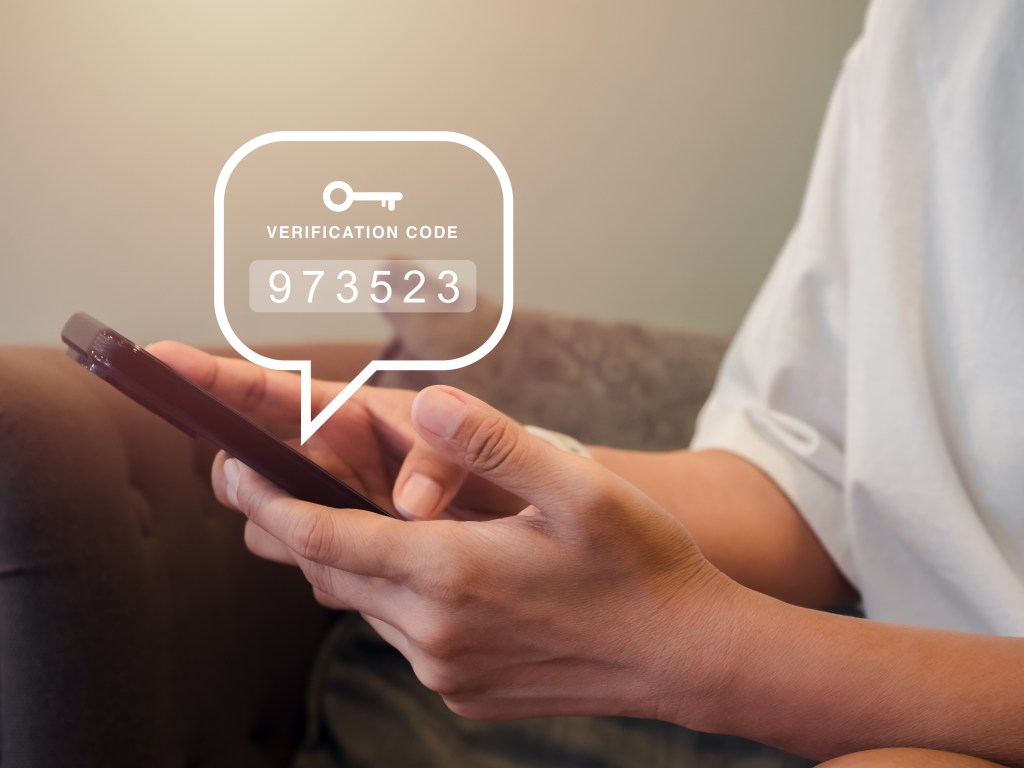
Two-Factor Authentication (2FA) enhances security by requiring a second form of verification beyond passwords. Despite its effectiveness, hackers employ techniques like social engineering, SIM swapping, phishing, Man-in-the-Middle attacks, and malware to bypass 2FA. Organizations must implement advanced tools and user education to fortify defenses against these evolving threats.
-

A critical vulnerability (CVE-2024-43405) in the Nuclei vulnerability scanner allows attackers to bypass signature checks and execute malicious code, threatening users. Additionally, wallet drainer malware caused $500 million in losses in 2024, primarily through deceptive transactions. Netizen provides security solutions, including assessments and CISO-as-a-Service, to protect organizations.
-

Adobe has released a critical patch for a significant ColdFusion vulnerability (CVE-2024-53961), rated with a CVSS score of 7.4. The flaw allows unauthorized file access and impacts ColdFusion 2023 and 2021 versions. Immediate patching is advised to prevent exploitation, especially as proof-of-concept code is already available.
-

In 2024, the U.S. faced notable cybersecurity threats, including the China-linked Volt Typhoon and Salt Typhoon campaigns, targeting critical infrastructure and telecommunications. A ransomware attack on Change Healthcare highlighted vulnerabilities in the healthcare sector. In response, regulatory efforts intensified, prompting enhanced cybersecurity measures and scrutiny across affected industries, particularly healthcare.
-

A bipartisan proposal, the Preserving American Dominance in AI Act, aims to establish an AI Safety Review Office to mitigate risks from advanced AI systems. It emphasizes pre-deployment evaluations and collaboration with industry leaders to safeguard against threats. CISA’s 2024 review highlights innovations in cybersecurity and support for elections, enhancing resilience against cyber threats.
-

The content discusses cybersecurity concerns, including a phishing email impersonating a professor to extract personal information, and recent SEC fines against four companies for misleading disclosures related to the SolarWinds hack. It also highlights the CMMC 2.0 Program’s phased implementation for defense contractors, emphasizing the importance of cybersecurity compliance and transparency.
-

A California court ruled in favor of WhatsApp against NSO Group for exploiting a vulnerability to deploy Pegasus spyware, condemning their lack of compliance with discovery orders. Meanwhile, Sophos issued critical patches for vulnerabilities in their firewalls, urging users to update defenses.
-
On December 16, 2024, the DoD’s Cybersecurity Maturity Model Certification 2.0 (CMMC 2.0) becomes mandatory for defense contractors, requiring compliance to continue securing contracts. Additionally, Citrix warns of password spraying attacks on NetScaler appliances, emphasizing the need for multi-factor authentication and enhanced monitoring to mitigate security risks.
-

With 70% of Microsoft’s 850 million active users on Windows 10, IT teams face critical transitions as the End of Support deadline approaches. Microsoft’s aggressive push for Windows 11 brings challenges like hardware upgrades and user resistance. Proactive planning and strategy are vital for seamless migration and operational security during this change.
-

Krispy Kreme reported a cybersecurity incident on November 29, 2024, affecting its IT systems. While shops remain open, online ordering faces disruptions. The incident may materially impact business operations, especially during the holiday season. The company emphasizes commitment to recovery and assures stakeholders of its financial stability amid the breach.
 Netizen Blog and News