Category: Devops
-

AI coding tools are changing far more than how quickly developers can produce code. They are changing the economics of the pull request itself. A pull request once represented a meaningful amount of authoring effort: a developer had to inspect the repository, make a set of changes, run tests, write a description, and submit the…
-
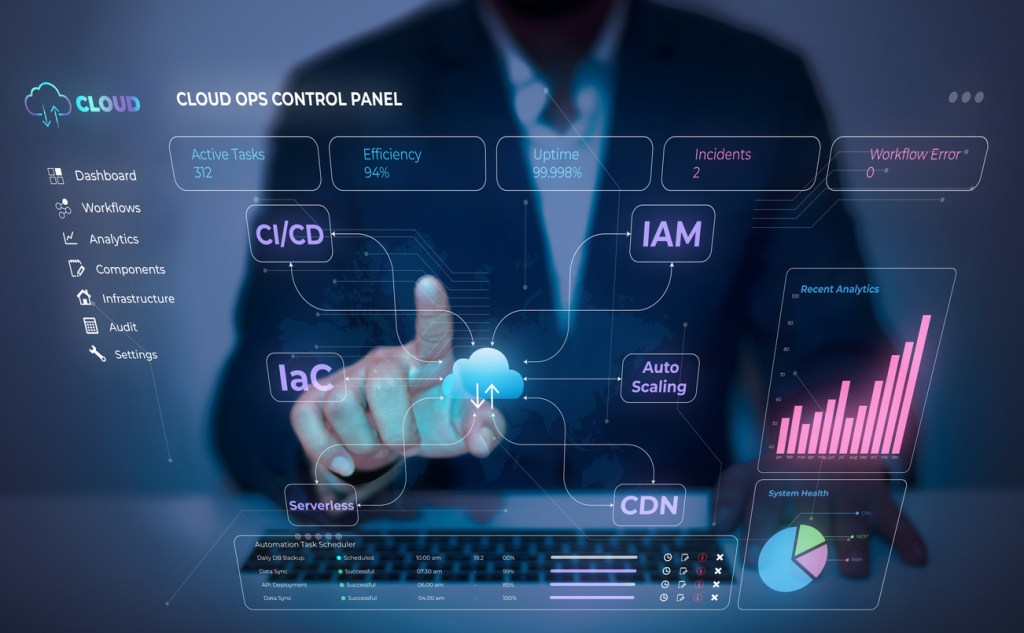
Continuous integration and continuous delivery are often described as engineering automation: code enters a repository, tests run, an artifact is built, and a release moves into an environment. That description is operationally correct, but it leaves out the security fact that matters most. A CI/CD workflow is also a programmable access path into production. Modern…
-

Secure code review has always required more than finding obvious injection bugs or checking whether a developer used the right library call. Good review connects code behavior to trust boundaries, data flow, authorization logic, state changes, error handling, deployment context, and abuse cases. AI does not remove that requirement. It changes the volume, speed, source,…
-

Kali365 is the latest reminder that Microsoft 365 phishing has moved beyond fake login pages and stolen passwords. According to the FBI, Kali365 is a phishing-as-a-service platform first seen in April 2026 and distributed mainly through Telegram. Its purpose is direct: help attackers obtain Microsoft 365 OAuth access and refresh tokens, bypass common MFA controls,…
-

APIs have become one of the most important layers of modern software architecture. They connect web applications, mobile apps, SaaS platforms, identity providers, payment processors, cloud services, analytics systems, artificial intelligence tools, internal databases, and third-party integrations. For most organizations, APIs are no longer a secondary concern sitting behind the application. They are the application’s…
-
The integration of AI in DevOps is revolutionizing software development, yet presents governance challenges in regulated environments. Issues like accountability for AI-generated code, compliance with security policies, and potential liabilities must be addressed. Organizations need robust validation processes to ensure compliance and maintain audit readiness in AI-enhanced development pipelines.
-

AI-generated code enhances software development efficiency but poses significant cybersecurity risks such as insecure defaults, reproduction of vulnerabilities, and compliance gaps. Organizations must enforce rigorous code reviews, adopt AI-aware security testing, and train developers on AI risks. Netizen offers solutions to address these challenges with expertise in cybersecurity and compliance.
-

Researchers have unveiled the ClickFix attack, which exploits AI-generated summaries to deceive users into executing malicious commands. By embedding harmful instructions within HTML using obfuscation techniques, attackers ensure these commands dominate AI outputs. Recommendations for defense include sanitizing inputs and enforcing AI policy compliance to prevent such vulnerabilities.
-

Data quality is crucial in machine learning, influencing model behavior and reliability. Issues like data poisoning and bias pose serious risks. Organizations must secure their data supply chains and validate data provenance throughout the AI lifecycle. Continuous monitoring, adversarial testing, and rigorous integrity checks are essential to mitigate vulnerabilities and ensure trustworthy models.
-

In cybersecurity, a compliance management system (CMS) is more than a risk mitigation tool—it’s the operational framework that helps security teams enforce, monitor, and report on adherence to regulatory mandates, internal policies, and industry standards. A well-structured CMS centralizes processes and controls to reduce non-compliance exposure and integrates directly into broader cybersecurity risk strategies. A…

