Category: CyberSecurity
-

Today’s Topics: Ollama Vulnerabilities Expose Local AI Servers to Memory Leaks and Persistent Code Execution Canvas Breach Update: Instructure Says Core Learning Data Was Not Compromised as Forensic Review Continues How can Netizen help? Ollama Vulnerabilities Expose Local AI Servers to Memory Leaks and Persistent Code Execution A newly disclosed Ollama vulnerability is drawing attention…
-

The recent Canvas security incident tied to ShinyHunters shows how quickly a third-party platform compromise can move from a vendor issue to an operational disruption for schools, universities, faculty, students, and IT teams. Instructure, the company behind Canvas LMS, confirmed that it detected unauthorized activity in Canvas on April 29, 2026. According to Instructure, the…
-

AI-generated code has moved from developer experiment to production reality, and security teams are now dealing with the result: faster software output, more code entering review, and a new class of AppSec risk where code can look clean, functional, and production-ready, yet still contain common security flaws. GitHub reported that nearly 80% of new developers…
-

VECT ransomware has emerged as a newer ransomware-as-a-service operation attempting to grow through affiliate recruitment, underground forum promotion, and a structured backend model built around victim management, payload generation, and ransom negotiation. Public reporting from Dark Atlas indicates that the group began advertising its affiliate program in early 2026, later tying itself to BreachForums and…
-
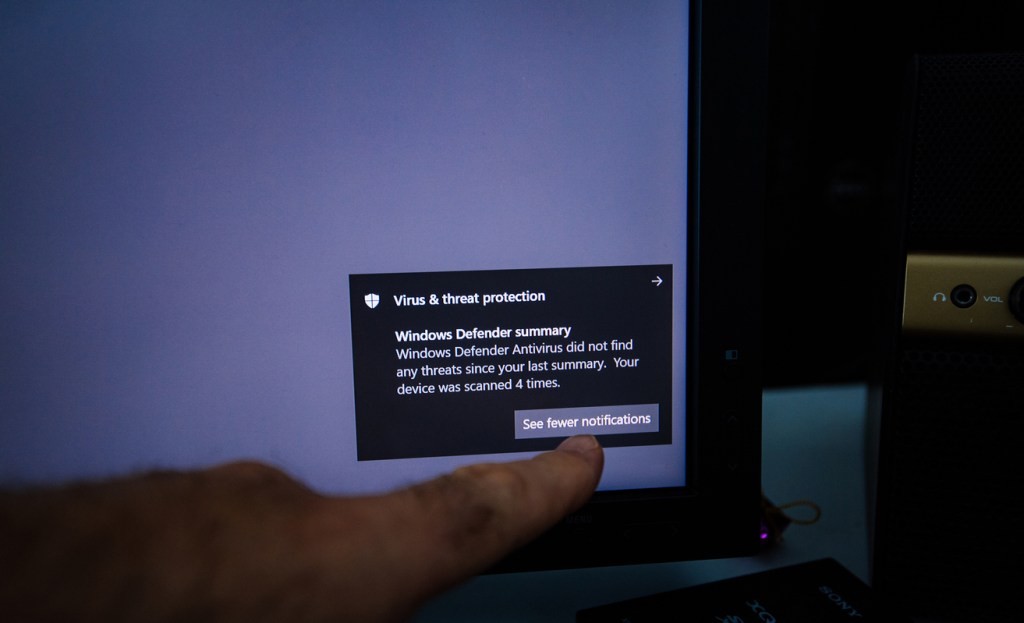
Today’s Topics: Microsoft Defender False Positive Shows How Certificate Trust Incidents Can Create Operational Confusion Vercel Breach Shows How OAuth Abuse and Token Theft Can Turn SaaS Access Into an Internal Security Problem How can Netizen help? Microsoft Defender False Positive Shows How Certificate Trust Incidents Can Create Operational Confusion Microsoft Defender’s recent false positive…
-

If you are preparing for CMMC 2.0 certification, the question is not whether you need a SIEM. The question is whether your logging, alerting, and monitoring architecture can survive a Level 2 assessment tied directly to NIST SP 800-171. CMMC 2.0 does not explicitly mandate “deploy a SIEM.” What it does mandate is far more…
-

Today’s Topics: OpenAI Expands Defensive AI Strategy with GPT-5.4-Cyber Release Mythos Is Accelerating Vulnerability Discovery, but Most Security Teams Are Not Built to Fix What It Finds How can Netizen help? OpenAI Expands Defensive AI Strategy with GPT-5.4-Cyber Release OpenAI has introduced GPT-5.4-Cyber, a specialized variant of its GPT-5.4 model built for defensive cybersecurity operations,…
-

Kerberoasting is a credential theft technique that targets service accounts in Microsoft Active Directory environments. The attack allows a domain user to request Kerberos service tickets for accounts associated with Service Principal Names (SPNs) and extract encrypted credential material that can be cracked offline. If the attacker successfully recovers the password for a service account,…
-
Multi-factor authentication has become one of the most widely deployed identity protections in enterprise environments. Many organizations view MFA deployment as the primary milestone for identity security, and compliance frameworks frequently emphasize its importance. Enabling MFA significantly reduces the risk of simple credential theft attacks, yet it does not provide complete protection against account compromise.…
-

Audit readiness is often treated as a periodic project. Organizations preparing for compliance assessments collect policy documents, export reports, review configurations, and assemble evidence shortly before the auditor arrives. This approach can produce acceptable results for a single assessment cycle, yet it often requires significant effort and leaves little assurance that controls remained effective between…

