Category: CyberSecurity
-
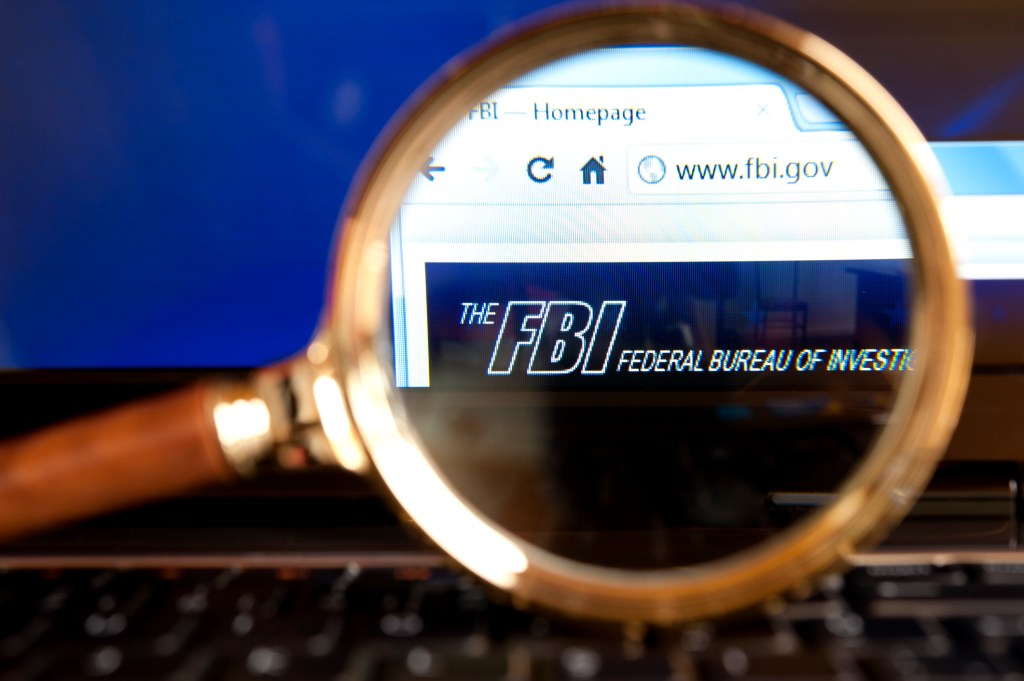
A joint operation by the FBI, Europol, and cybersecurity firms has dismantled the Lumma Stealer malware network, responsible for over 10 million infections. The operation seized 2,300 domains linked to this malware-as-a-service, which targets sensitive data and employs advanced evasion techniques. Despite these actions, Lumma operators are expected to evolve further.
-

Coinbase, a cryptocurrency exchange with over 100 million customers, has disclosed a significant data breach affecting 69,461 individuals. The breach, which involved cybercriminals working with rogue support agents, led to the theft of customer data and internal documentation. The attackers accessed this data with the help of overseas contractors and support staff who misused their…
-

Microsoft has confirmed a widespread issue causing some Windows 10 systems to enter BitLocker recovery mode after installing the May 2025 security updates. This problem, affecting a variety of system configurations, has prompted the company to release an out-of-band emergency update to resolve the issue. Affected users, particularly those running Windows 10 22H2, Windows 10…
-

The recent hacking of LockBit’s admin panel revealed vital details about their ransomware operations, aiding law enforcement in tracing Bitcoin transactions and understanding negotiation tactics. Meanwhile, Google faces a $1.375 billion settlement in Texas over unauthorized user tracking, marking its largest privacy-related payout to a single state.
-

The Non-classified Internet Protocol Router Network (NIPRNet) is a crucial secure communications platform for the U.S. Department of Defense, handling sensitive but unclassified data. Launched in 1992, it supports operational coordination, secure communication, and access to vital databases, evolving with modern technology to enhance security and operational efficiency against cyber threats.
-

A recently disclosed vulnerability in Chrome, CVE-2025-4664, allows attackers to bypass same-origin policies, potentially leaking sensitive query parameters. Google released a patch on May 14, 2025. Security teams are urged to monitor for exploitation and enforce updated browser versions, while Netizen offers various cybersecurity solutions and assessments.
-

The recent hacking of LockBit’s admin panel revealed vital details about their ransomware operations, aiding law enforcement in tracing Bitcoin transactions and understanding negotiation tactics. Meanwhile, Google faces a $1.375 billion settlement in Texas over unauthorized user tracking, marking its largest privacy-related payout to a single state.
-

In cybersecurity, a compliance management system (CMS) is more than a risk mitigation tool—it’s the operational framework that helps security teams enforce, monitor, and report on adherence to regulatory mandates, internal policies, and industry standards. A well-structured CMS centralizes processes and controls to reduce non-compliance exposure and integrates directly into broader cybersecurity risk strategies. A…
-

Cisco has released a security update addressing CVE-2025-20188, a zero-click vulnerability with a CVSS score of 10.0, affecting certain IOS XE Wireless Controllers. Exploiting this flaw allows remote attackers to execute commands. Cisco advises immediate upgrades or temporarily disabling the vulnerable feature to mitigate risks.
-

A U.S. federal jury has ordered NSO Group to pay over $167 million to WhatsApp for its role in a 2019 cyberattack that targeted 1,400 users via a vulnerability in the app. This landmark case represents a significant accountability step for the spyware industry and highlights the misuse of surveillance tools.

