Netizen Blog and News
The Netizen team sharing expertise, insights and useful information in cybersecurity, compliance, and software assurance.
Category: CyberSecurity
-

Software keygens create valid license keys to circumvent piracy protections by reverse engineering key generation algorithms. Companies counteract this through online activation, digital signatures, encryption, and frequent updates. While keygens can generate keys quickly by mimicking the validation process, measures like hardware-based licensing enhance security against unauthorized use.
-

The CVE program, crucial for global cybersecurity, faces upheaval due to MITRE’s contract expiration. Concerns arose over vulnerability tracking fragmentation and response difficulties. A new nonprofit, the CVE Foundation, was established to sustain operations independently. Meanwhile, MITRE secured short-term funding, ensuring temporary continuity amidst significant structural changes in cybersecurity management.
-
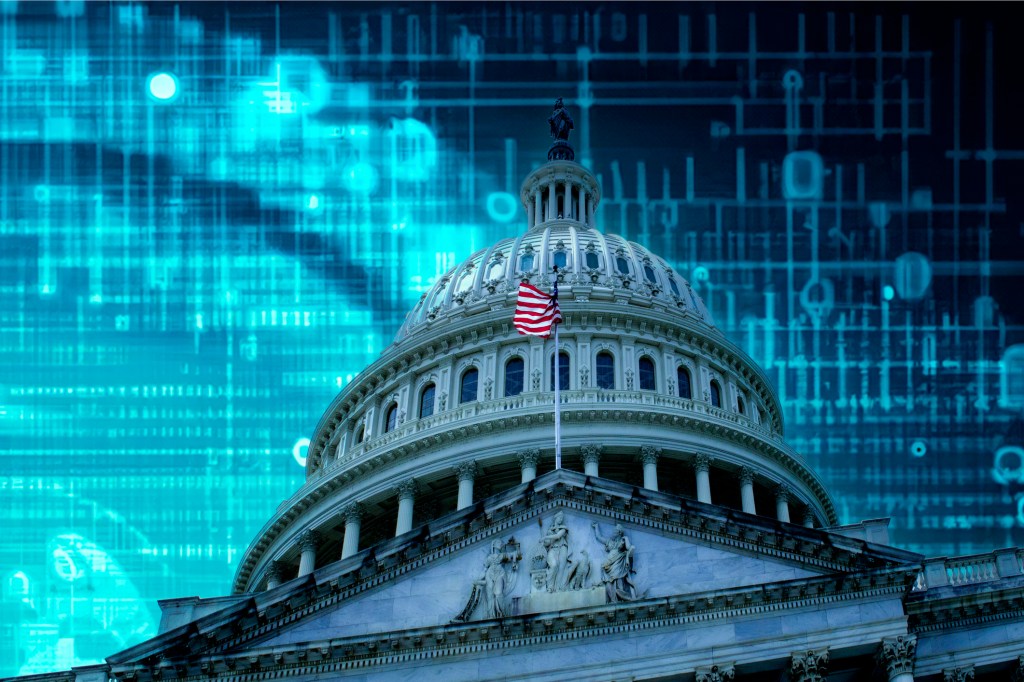
On March 15, the White House concluded a public comment period on its upcoming AI Action Plan. The Office of Science & Technology Policy (OSTP), alongside the National Science Foundation’s Networking and Information Technology Research and Development (NITRD) office, had issued a formal Request for Information (RFI) in February as required by President Trump’s AI…
-

As ransomware and cyber extortion campaigns grow more complex, organizations are rethinking how they protect digital assets across endpoints, networks, and cloud infrastructure. In this changing threat landscape, three terms are appearing frequently: EDR (Endpoint Detection and Response), MDR (Managed Detection and Response), and XDR (Extended Detection and Response). While they share a common goal—detecting…
-

Chrome 136 has addressed a 20-year privacy flaw that exploited visited link styling to track browsing history. This update ensures that visited links are only identified within the same site and frame origin. Meanwhile, the Tycoon2FA phishing kit has evolved, enhancing its evasion techniques and targeting precision against multi-factor authentication, using advanced obfuscation and malicious…
-

Dark web monitoring continuously scans hidden online areas for leaked or stolen sensitive data. It alerts organizations to potential risks, enhances threat intelligence, and aids incident response, especially against post-breach activities. Essential for safeguarding confidential information, it is vital for various sectors to detect risks before exploitation occurs, thus improving overall security.
-

In December 2021, a critical vulnerability called Log4Shell was discovered in Log4j, an open-source Java logging library, exposing numerous systems to remote code execution attacks. The flaw’s ease of exploitation led to extensive efforts to assess and mitigate risks, with organizations urged to apply updates and monitor for signs of attacks.
-

Meta faces allegations of digital piracy for reportedly reuploading 30% of pirated books used in AI training, raising critical cybersecurity and intellectual property concerns. Internal emails reveal executives were aware of potential legal risks. The reliance on sources like shadow libraries could lead to malware risks and data integrity issues, complicating fair use defenses.
-

Microsoft’s April 2025 Patch Tuesday addresses 134 vulnerabilities, including one high-risk zero-day flaw exploited by ransomware. Critical updates target remote code execution issues in essential services. Users should prioritize patching systems, especially Windows Server and Windows 11, and monitor for forthcoming updates for Windows 10 due to ongoing threats.
-

A recently disclosed WinRAR vulnerability (CVE-2025-31334) allows attackers to bypass Windows’ Mark of the Web protections, enabling silent code execution from downloaded archives. Additionally, a malicious Python package for validating stolen credit cards was downloaded over 34,000 times, illustrating ongoing cybercrime exploitation of open-source platforms. Security upgrades and monitoring are advised.
 Netizen Blog and News