Category: CyberSecurity
-

OpenClaw is an open-source, locally run autonomous AI assistant designed to act as a personal agent rather than a cloud-hosted service. Instead of routing prompts, context, and execution through a vendor-operated backend, OpenClaw runs directly on infrastructure chosen by the user, such as a laptop, homelab system, or virtual private server. Messaging integrations allow users…
-

Today’s Topics: Notepad++ Supply Chain Attack Quietly Pushed Malicious Updates to Select Users in 2025 Moltbook and the Real Security Risks Behind the AI “Bot Network” Hype How can Netizen help? Notepad++ Supply Chain Attack Quietly Pushed Malicious Updates to Select Users in 2025 The maintainer of the open-source text editor Notepad++ has confirmed that…
-

Personal AI assistants are being deployed on a trust model that would be rejected in most security programs: opaque data lineage, unverifiable context, weak separation of duties, and no dependable remediation path once incorrect state becomes operational. The outcomes are already visible. Agents act confidently on partial or stale context, collapse inference into fact, and…
-
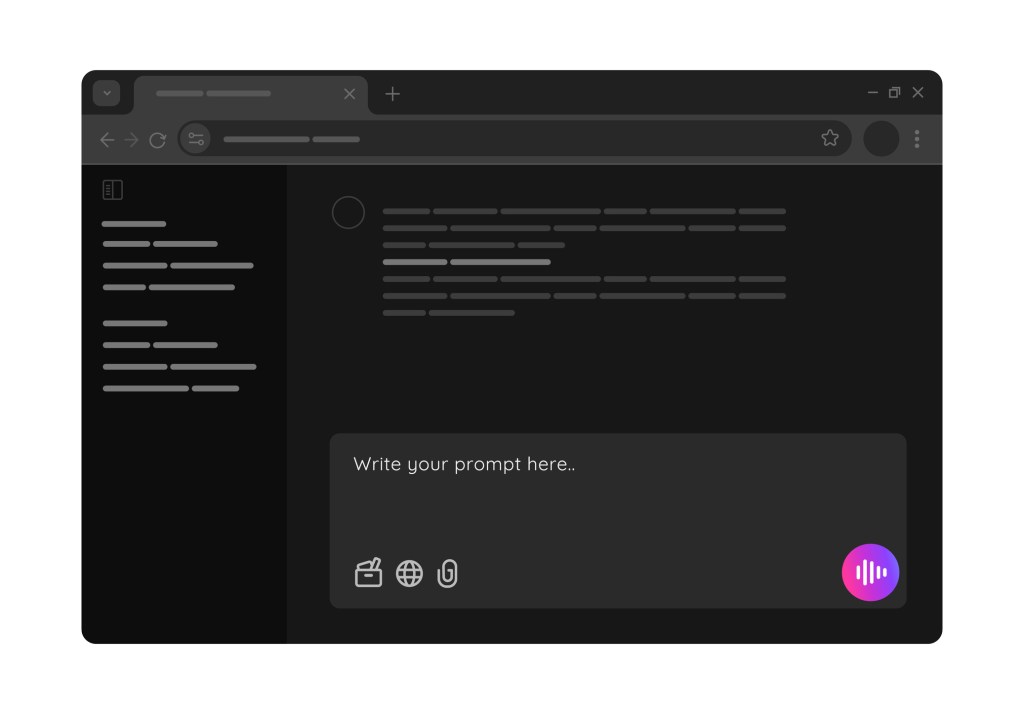
Open-source large language models running outside commercial platforms have quietly become a stable layer of internet-facing infrastructure. At scale, they are now being indexed, scanned, and reused in patterns consistent with earlier waves of exposed services such as mail relays, databases, and CI/CD systems. Their security risk is not theoretical. These deployments offer programmable language…
-

Today’s Topics: LastPass Warns Users of Active Phishing Campaign Mimicking Maintenance Alerts CISA Flags Actively Exploited VMware vCenter Server Flaw in KEV Catalog How can Netizen help? LastPass Warns Users of Active Phishing Campaign Mimicking Maintenance Alerts LastPass is warning customers about an active phishing campaign that impersonates the service and attempts to steal users’…
-

Security teams now operate in environments defined by cloud sprawl, short development cycles, and attacker activity that is increasingly designed to blend into normal operations. Static scanning and legacy rule sets were built for stable infrastructure and known signatures. They do not perform well against zero-day exploitation, credential abuse, or multi-stage intrusions that evolve inside…
-
CMMC 2.0 is no longer a future compliance program. It is now fully anchored in federal rulemaking and tied directly to defense contract eligibility. The program rule establishing the CMMC framework is in effect, and the DoD acquisition rule has formally embedded CMMC requirements into DFARS. As of November 10, 2025, contracting officers are authorized…
-

SOC-as-a-Service is still widely treated as a way to outsource alert monitoring and incident response. From a compliance perspective, that framing undersells its real value. In mature programs, SOCaaS functions as a standing regulatory control that supports continuous monitoring, formalized response, audit evidence generation, and long-term log governance across multiple frameworks at once. When implemented…
-

Recent research from Anthropic-affiliated investigators provides one of the clearest quantitative signals yet that autonomous AI agents have crossed an important threshold in offensive security capability. Using a purpose-built benchmark focused on smart contract exploitation, the study measures success not by abstract accuracy metrics, but by simulated financial loss. The results indicate that current frontier…
-
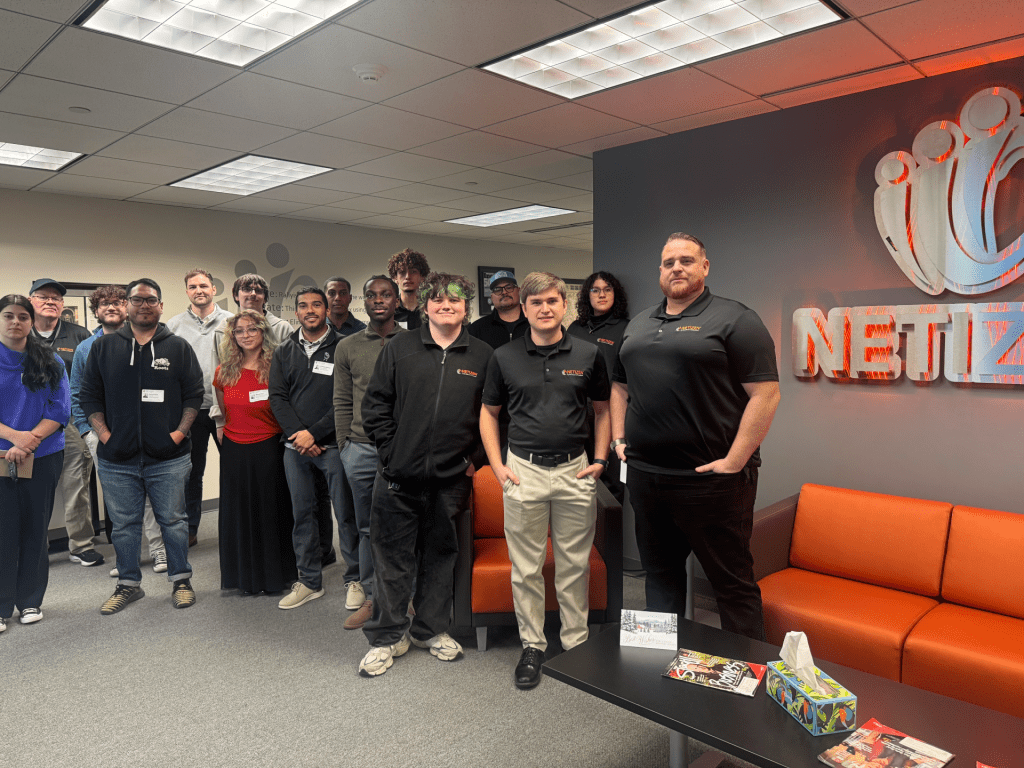
Allentown, PA: Students spent the morning inside Netizen’s 24x7x365 Security Operations Center, observing how analysts monitor systems, investigate alerts, and respond to real security activity as it unfolds. Rather than a simulated exercise, the visit focused on how a production SOC functions day to day, giving students direct exposure to the tools, workflows, and decision-making…

