Netizen Blog and News
The Netizen team sharing expertise, insights and useful information in cybersecurity, compliance, and software assurance.
Category: CyberSecurity
-

Organizations face significant security challenges as human behavior plays a crucial role in breaches, often exceeding technology failures. A positive security culture, shaped by leadership, policy simplicity, supportive teams, and engaging training, is vital. Netizen provides advanced cybersecurity solutions and has established itself as a trusted partner for secure digital environments.
-

Noah Michael Urban, a 20-year-old from Florida, was sentenced to ten years in federal prison for his role in the cybercrime group Scattered Spider, which engaged in SIM-swapping and phishing schemes, stealing over $800,000. He was ordered to pay $13 million in restitution to victims, highlighting a growing threat from similar groups.
-

Technology’s integral role in business makes cybersecurity essential. A Virtual Chief Information Security Officer (vCISO) offers strategic cybersecurity guidance remotely, helping organizations enhance security, ensure compliance, and manage risks without the expense of a full-time hire. Demand for vCISOs has grown due to escalating cyber threats and operational flexibility.
-
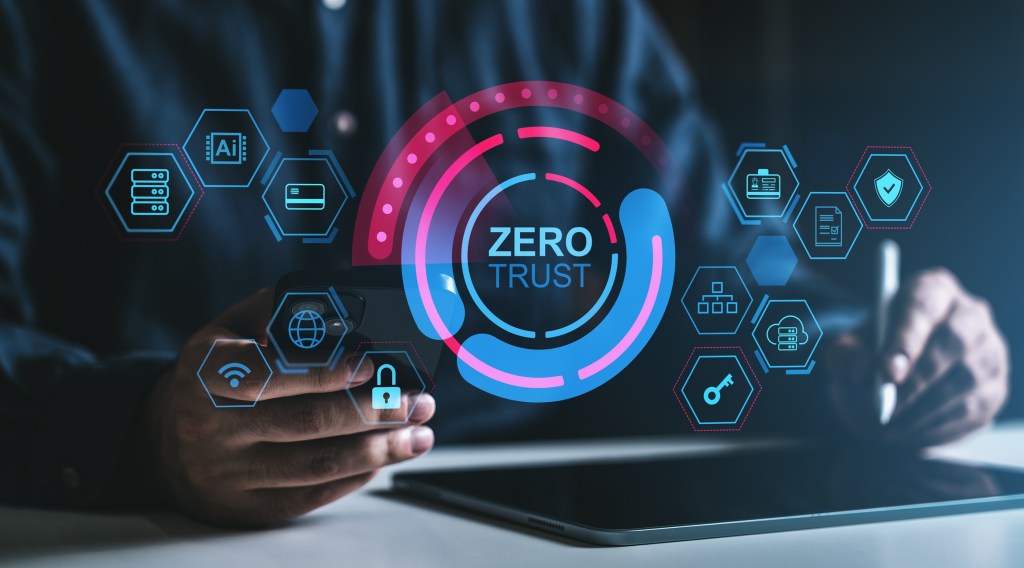
Zero Trust Network Access (ZTNA) is crucial for contemporary organizations, offering continuous verification and identity-centric access control to enhance security amid evolving cyber threats. Unlike traditional models, ZTNA minimizes lateral movement, reduces attack surfaces, and simplifies remote access. Integrating with SASE, ZTNA ensures only authorized users can access applications, fostering a secure environment.
-

SafeBreach researchers revealed a new attack method, “Win-DDoS,” that exploits Windows Domain Controllers for large-scale DDoS attacks without malware. Concurrently, cybercriminals increasingly target smart contracts, capturing over $14 billion since 2020 through vulnerabilities. To counteract these threats, expert recommendations include auditing contracts and maintaining comprehensive cybersecurity measures.
-

Human Digital Twins (HDTs) enhance cybersecurity by monitoring user behavior to detect anomalies and insider threats, moving beyond traditional identity management. They continually analyze user actions post-login, enabling real-time alerts for compromised accounts. Integrated within Zero Trust frameworks, HDTs provide adaptive access control while addressing privacy concerns through strict data governance and compliance measures.
-

Small and mid-sized businesses (SMBs) are facing risks due to unregulated data retention, lacking formal policies for data governance. This increases exposure to cyberattacks and compliance failures. Implementing effective data retention and deletion policies is essential for compliance, security improvement, and cost management, helping organizations mitigate legal and operational risks.
-

The RomCom threat group exploits a WinRAR zero-day vulnerability for targeted cyberespionage against organizations in Europe and Canada. Over 29,000 unpatched Microsoft Exchange servers are also at risk from a severe hybrid cloud exploit. ESET and CISA emphasize prompt updates and heightened security measures to mitigate these threats effectively.
-

Security researchers at Sophos have identified a new EDR-killing tool, used by various ransomware groups, including RansomHub and Blacksuit. This utility bypasses traditional defenses via an obfuscated binary pretending to be legitimate drivers. Security operations teams should prioritize monitoring for anomalous driver activity and enhance behavioral analytics in their detection strategies.
-

Google was recently targeted by the ShinyHunters group in a Salesforce CRM data theft attack, compromising customer data of small and medium-sized businesses. The breach lasted briefly, and Google swiftly cut off the attackers. Other companies affected include Adidas and Cisco, with ShinyHunters actively seeking ransom for stolen data.
 Netizen Blog and News