Netizen Blog and News
The Netizen team sharing expertise, insights and useful information in cybersecurity, compliance, and software assurance.
Category: Application Security
-

Today’s Topics: CISA Responds to Controversial ‘Airport Security Bypass’ Vulnerability In late August 2024, cybersecurity researchers Ian Carroll and Sam Curry revealed a potentially alarming security flaw within FlyCASS, a third-party web-based application utilized by smaller airlines as part of the Cockpit Access Security System (CASS) and Known Crewmember (KCM) programs. These programs play a…
-

Volt Typhoon, a Chinese state-sponsored hacking group, has emerged as a significant player in global cybersecurity, focusing particularly on critical infrastructure. This detailed analysis explores Volt Typhoon’s operations, the impacts of its activities, and how we can effectively defend against such threats. Understanding these aspects is crucial for protecting national security and maintaining global stability.…
-

Security vulnerabilities are a significant concern for businesses. Netizen’s Security Operations Center (SOC) has identified five critical vulnerabilities in popular software and platforms, emphasizing the importance of prompt patching. These vulnerabilities enable remote attackers to execute arbitrary code, manipulate critical data, and disrupt system availability. Netizen offers advanced security solutions to protect businesses from such…
-

This content covers phishing tactics targeting Amazon users, EU scrutiny of Meta, and a federal recovery from a CrowdStrike outage. It advises caution with unsolicited links and attachments, scrutinizing messages, and not divulging personal information online. It also highlights Netizen’s cybersecurity solutions including CISO-as-a-Service and vulnerability assessments.
-
A newly discovered vulnerability in Microsoft 365 Copilot highlights how attackers can leverage advanced techniques, such as prompt injection and ASCII smuggling, to exfiltrate sensitive user data. This issue has raised serious concerns in the cybersecurity world, especially considering the rapid integration of AI tools into enterprise environments. The Exploit Breakdown This vulnerability, disclosed to…
-

The FBI’s shortcomings in securing sensitive storage media were exposed in an OIG audit, indicating improper handling and storage of decommissioned devices. Meanwhile, Pavel Durov, CEO of Telegram, was arrested in France for alleged failure to moderate criminal activities on the platform.
-
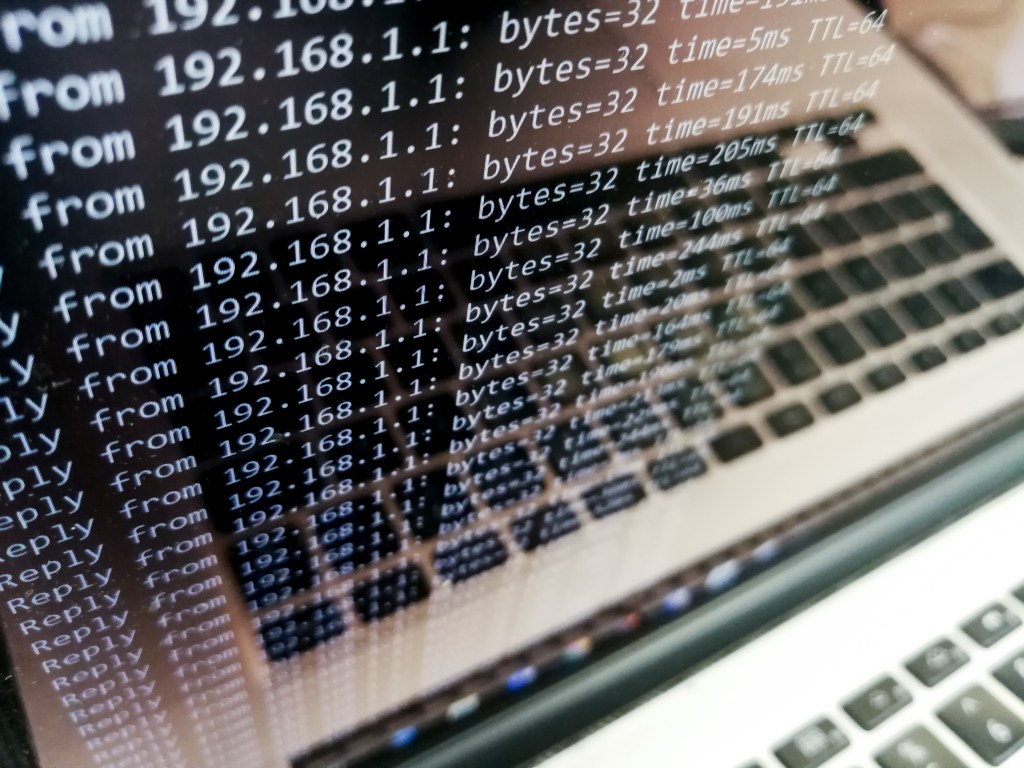
DDoS attacks are a significant threat to internet security that disrupt normal traffic by overwhelming servers. Identifying and mitigating DDoS attacks is crucial. Detection involves monitoring traffic patterns, analyzing sources, and using Intrusion Detection Systems. Mitigation strategies include blackhole routing, rate limiting, Web Application Firewall, and Anycast network diffusion. Netizen offers advanced security solutions and…
-

OpenAI recently shut down an Iranian influence campaign called Storm-2035, using ChatGPT to sway opinions on US political issues and global events. Flint, Michigan suffered a ransomware attack, affecting online services. Amid these challenges, Netizen offers advanced security solutions, compliance support, and automated assessment tools to protect IT infrastructure and mitigate risks.
-

Firewalls are essential for data protection. Next Generation Firewalls (NGFWs) go beyond traditional firewalls, offering advanced features like application control, intrusion prevention, and cloud-delivered threat intelligence. NGFWs provide comprehensive security, addressing modern cyber threats effectively. While traditional firewalls have their place, NGFWs are superior for robust network protection in today’s digital landscape.
-

Large language models like GPT-4 raise concerns as they can autonomously exploit cybersecurity vulnerabilities, posing a significant threat. These AI advancements may enhance defense measures but also empower malicious actors. The cybersecurity community must proactively develop defensive measures and regulate the deployment of these models to mitigate potential risks.
 Netizen Blog and News