Netizen Blog and News
The Netizen team sharing expertise, insights and useful information in cybersecurity, compliance, and software assurance.
Category: Application Security
-

Lateral movement is a post-compromise technique used by attackers to quietly move through a network, escalate privileges, and access critical systems or data. By leveraging stolen credentials, exploiting trusted protocols like WMI and SMB, and abusing built-in tools such as PowerShell and PsExec, adversaries can blend in with normal activity and remain undetected. Detecting and…
-

Fortinet has released a critical security patch for a SQL injection vulnerability (CVE-2025-25257) in FortiWeb, affecting multiple versions. Meanwhile, a newly discovered eSIM flaw in Kigen’s eUICC technology may jeopardize billions of IoT devices. Users are urged to upgrade to mitigate risks. Netizen offers advanced cybersecurity solutions to enhance protection.
-

Four critical vulnerabilities in OpenSynergy’s BlueSDK Bluetooth stack, named “PerfektBlue,” expose millions of vehicles to remote code execution risks. Identified by PCA Cyber Security, these vulnerabilities can allow attackers to exploit infotainment systems, risking unauthorized access, data manipulation, and potential compromise of critical vehicle functions. Manufacturers are working on security updates.
-

SEO poisoning poses a serious cyber threat by manipulating search engine algorithms to rank malicious websites. Attackers exploit user trust, directing individuals to harmful sites where malware can be downloaded. This article explores SEO poisoning’s mechanics, attack chains, psychological effectiveness, real-world examples, and suggests defenses to mitigate its risks.
-
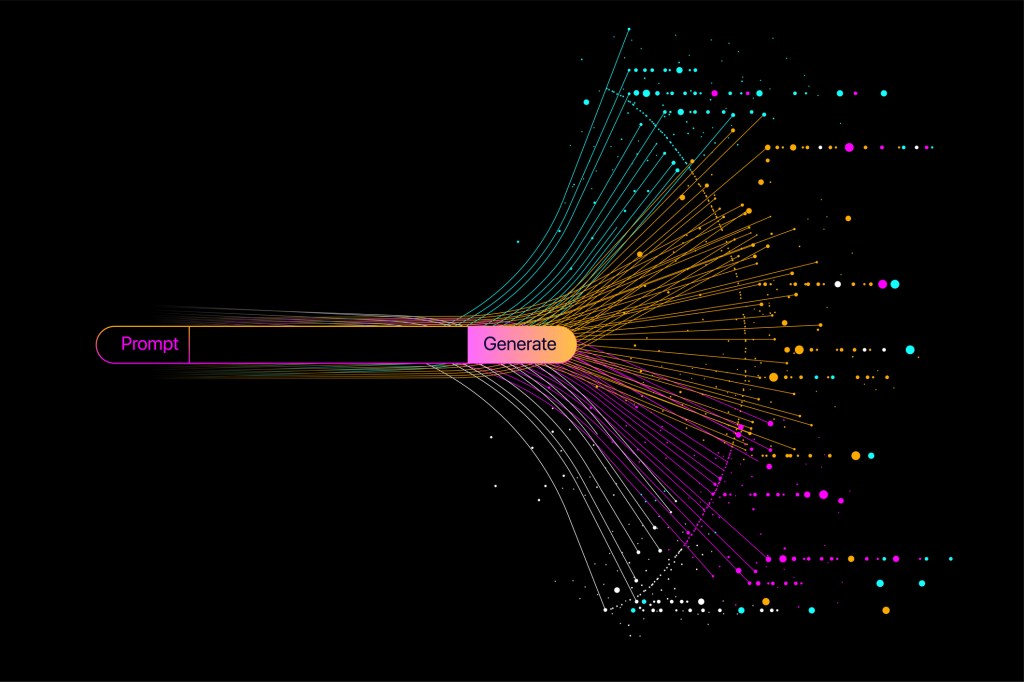
The rapid advancement of large language models (LLMs) such as GPT-4 and Gemini-2 has significantly increased the capabilities of artificial intelligence systems. However, this progress has also exposed new vulnerabilities that malicious actors can exploit. One such threat, uncovered by NeuralTrust’s AI researcher Ahmad Alobaid, is the Echo Chamber attack—a sophisticated technique that bypasses LLM…
-

In July 2025, Microsoft addressed 137 vulnerabilities, including one zero-day, with fourteen critical flaws primarily involving remote code execution. Key vulnerabilities include issues in SQL Server, SharePoint, and Office. Organizations are urged to prioritize patching critical software, while other vendors like AMD, Cisco, and Google also released important security updates.
-

Taiwan’s National Security Bureau warns of security risks from China-developed apps, citing excessive data collection and potential misuse. The EU introduces NIS2 Directive and Cyber Resilience Act to strengthen cybersecurity for essential services and products. Netizen offers cybersecurity solutions and compliance support for businesses, helping them navigate these regulations effectively.
-

The U.S. Justice Department has indicted individuals involved in North Korean operations exploiting remote IT work. These schemes included compromised identities to facilitate access to sensitive U.S. data, with significant financial repercussions. Microsoft has suspended accounts linked to these activities and emphasized the growing use of AI by North Korean hackers to enhance fraud.
-

A rise in social engineering attacks has highlighted ClickFix and its variation, FileFix. While ClickFix uses Windows Run Dialog, FileFix exploits the file upload feature in browsers to execute OS commands unnoticed. This innovative approach poses significant security risks, emphasizing the need for user education and enhanced cybersecurity measures to mitigate potential attacks.
-

Cybersecurity concerns are rising with the discovery of “Citrix Bleed 2,” which exposes over 1,200 Citrix servers to an authentication bypass vulnerability (CVE-2025-5777). Additionally, APT28 targets Ukraine using Signal to deliver new malware, BEARDSHELL and COVENANT, while exploiting vulnerabilities in Roundcube software. Immediate patches and proactive security measures are advised.
 Netizen Blog and News